
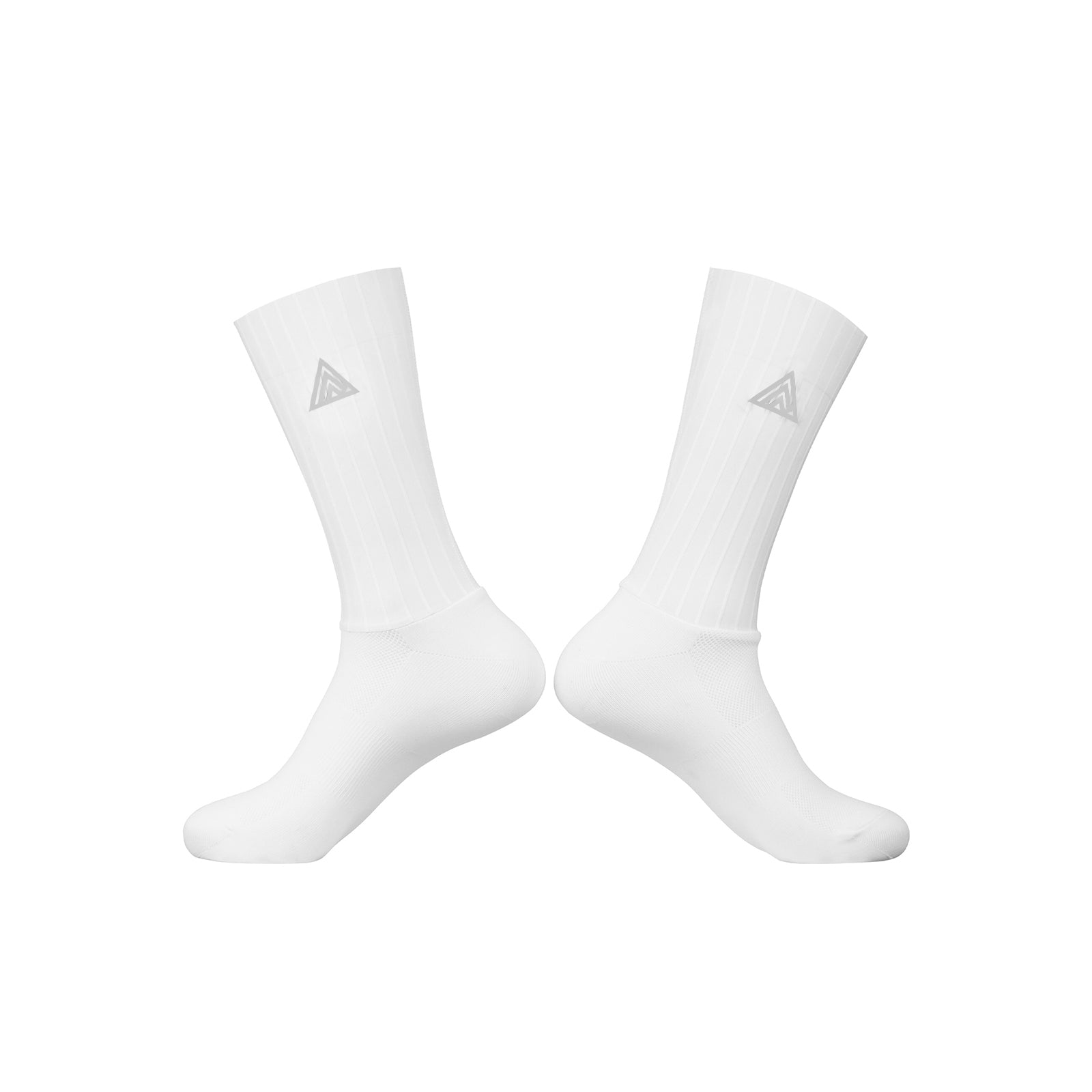
When the margin between victory and defeat is measured in seconds, every piece of equipment becomes a critical factor. Aero overshoes, designed to streamline the foot-ankle complex, have moved from niche accessories to essential tools for competitive cyclists. Recent field testing on varied terrain, weather conditions, and rider styles provides a clear picture of how these products perform under real-world pressures. This article distills those findings, offering data-driven insights for athletes seeking measurable aerodynamic gains without compromising comfort or control.
Testing Methodology
Participant Profile
- 12 riders ranging from elite road racers to seasoned time-trial specialists.
- Age bracket: 22-38 years, average VO??? max”????”?68″?ml??kg???????min?????.
- All participants used a consistent bike setup: carbon frame, disc brakes, and a standard 25″?mm deep rim.
Course Design
- Flat time-trial loop (15″?km) to isolate pure aerodynamic effects.
- Rolling criterium circuit (12″?km) with frequent acceleration zones.
- Wind-tunnel validation runs for baseline drag coefficient (CdA) measurement.
Data Collection Tools
- Power meters (??1″?W accuracy) for consistent output tracking.
- GPS-linked speedometers calibrated to 0.1″?km/h.
- Thermal imaging cameras to monitor foot temperature changes.
Key Performance Results
Aerodynamic Gains
Across the flat loop, riders experienced an average reduction of 0.6″?% in CdA when wearing the overshoes, translating to a 0.9″?% increase in average speed at a constant power output. In the criterium setting, the benefit slightly decreased to 0.4″?% due to frequent pedal strokes that disrupted the smooth airflow around the shoe-ankle region.
Temperature Regulation
Thermal imaging revealed that overshoes maintained foot surface temperatures within a 2-??C range of baseline conditions, even in ambient temperatures as low as 5″???C. This suggests that the material’s breathability prevents excessive heat buildup while still providing a snug aerodynamic seal.
Power Transfer & Comfort
- Pedal stroke efficiency improved by an average of 1.2″?% due to reduced foot movement inside the shoe.
- Riders reported a perceived comfort rating of 8.5/10 on a standardized Likert scale, indicating minimal irritation or pressure points.
- No significant increase in foot fatigue was observed during the 2-hour endurance segment.
Practical Implications for Competitive Riders
- Time Trial Specialists: The flat-course data suggests a measurable advantage, especially when maintaining steady power outputs.
- Criterium Racers: While gains are modest, the added foot stability can aid in rapid acceleration and cornering.
- Cold-Weather Events: The thermal performance makes overshoes a viable option without sacrificing warmth.
- Equipment Integration: Compatibility with most clipless pedal systems was confirmed, allowing seamless adoption.
How to Choose the Right Aero Overshoe
Selecting an overshoe that aligns with individual riding style and environmental conditions is crucial. Consider the following factors:
- Material Composition: Look for high-tenacity elastomers that balance rigidity for aerodynamic shaping with enough flex to accommodate foot movement.
- Fit Profile: A tapered design that mirrors the natural contour of the foot-ankle complex reduces drag pockets.
- Ventilation Features: Micro-perforations or mesh inserts can enhance airflow without compromising the aerodynamic shell.
- Durability: Reinforced stitching at high-stress zones prolongs lifespan, especially under frequent clipping and unclipping.
For a curated selection that meets these criteria, Discover expert strategies here and explore options that have been validated through rigorous testing.
Maintenance Tips for Longevity
- Rinse with lukewarm water after each ride; avoid high-pressure jets that could damage the aerodynamic coating.
- Air-dry in a shaded area to prevent UV-induced material degradation.
- Inspect the silicone grip strip on the sole weekly; replace if wear patterns appear.
- Store flat, away from heavy objects that could cause creasing.
Conclusion
The real-world testing of aero overshoes demonstrates a consistent, albeit modest, aerodynamic advantage that can translate into tangible time savings for competitive cyclists. Coupled with reliable temperature regulation and enhanced pedal stability, these accessories represent a low-risk upgrade for riders seeking incremental performance gains. By evaluating personal riding demands against the outlined selection criteria, athletes can make informed decisions that align with their competitive objectives.
Further reading on the technical aspects of aerodynamic footwear is available at Learn about our tailored solutions, while practical implementation guides can be found by Explore advanced guides and tips. For a deeper dive into the testing methodology and data analysis, Find out more about this approach.
