
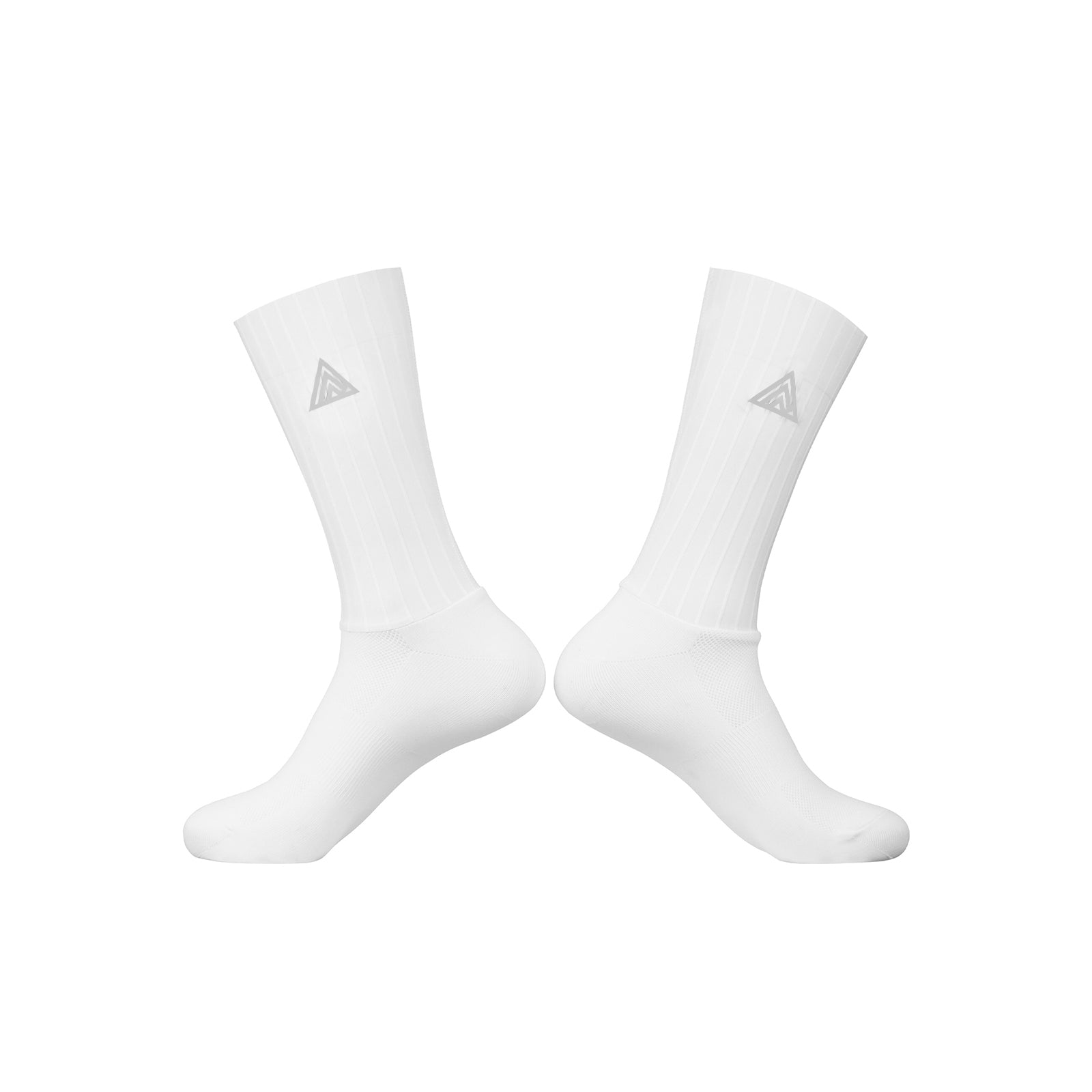
When cyclists speak of shaving seconds off a time trial or feeling a subtle yet significant boost on a long road ride, the conversation often turns to aerodynamics. While frame geometry, wheel depth, and riding position dominate the discussion, the humble overshoe can be an equally powerful ally. Aero overshoes are engineered to reduce drag, protect the foot, and maintain optimal temperature, all without compromising comfort. By integrating these specialized accessories into a cycling wardrobe, riders can experience measurable gains in speed and a more consistent, enjoyable ride.
Understanding Aerodynamic Overshoes
Aero overshoes are more than just a protective layer for shoes; they are a carefully designed component that interacts with airflow around the cyclist’s lower limb. The key features that differentiate them from standard shoe covers include:
- Low-drag silhouette: Tapered shapes and smooth fabrics guide air around the foot, minimizing turbulence.
- Seamless construction: Welded or bonded seams eliminate protruding stitches that could catch air.
- Strategic ventilation: Micro-perforations allow moisture escape while preserving aerodynamic integrity.
- Thermal regulation: Materials that retain heat in cold conditions and release it when temperatures rise.
Performance Benefits
Speed Gains
Even a modest reduction in drag can translate to noticeable speed improvements, especially at higher velocities where aerodynamic forces dominate. Studies suggest that a well-fitted aero overshoe can shave 0.5-1.0% off total drag, which on a 40″?km/h effort could mean an extra 200-400 meters per hour.
Foot Comfort and Protection
Beyond aerodynamics, these overshoes protect against:
- Wind-chill during early-morning rides.
- Debris such as gravel, small stones, and road spray.
- Minor abrasions from accidental contacts with the bike frame.
By maintaining a stable foot temperature, cyclists can sustain power output longer, reducing the fatigue associated with cold or sweaty feet.
Choosing the Right Aero Overshoe
Not all overshoes are created equal. Selecting the appropriate model involves evaluating several criteria that align with riding style and conditions.
- Fit and Compatibility: Overshoes should snugly cover the shoe’s toe box and heel without creating pressure points. Look for designs that accommodate both road and cyclocross shoes.
- Material Technology: Advanced synthetics like Lycra-blended fabrics offer stretch, durability, and low drag. Some models incorporate reflective panels for visibility.
- Weather Adaptability: For colder climates, insulated versions provide extra warmth, while breathable options excel in summer heat.
- Ease of Use: Features such as elastic cuffs, zip closures, or pull-tab systems simplify on-and-off transitions.
For a curated selection that meets these standards, Discover expert strategies here and explore the range of options tailored to performance-focused cyclists.
Integrating Aero Overshoes into Your Training Routine
To maximize the benefits, consider the following practical steps:
- Test Fit During Warm-Up: Slip the overshoes on after a brief warm-up to ensure they stay in place as the feet swell slightly.
- Pair with Aerodynamic Shoes: Combine overshoes with low-profile road shoes to maintain a streamlined foot profile.
- Monitor Temperature: In colder rides, wear a thin liner sock; in hot conditions, opt for a moisture-wicking base layer.
- Maintain Cleanliness: Wash overshoes after each ride to prevent buildup of sweat and debris that could affect drag.
Further guidance on optimizing gear combinations can be found at Learn about our tailored solutions, where detailed recommendations address various climate scenarios.
Maintenance and Longevity
Proper care extends the life of aerodynamic overshoes and preserves their performance characteristics.
- Hand wash in lukewarm water with a mild detergent.
- Avoid fabric softeners, which can coat the surface and increase drag.
- Air-dry flat, away from direct sunlight to prevent material degradation.
- Inspect seams regularly for signs of wear; resealing or replacing worn units maintains aerodynamic efficiency.
For an in-depth maintenance checklist, Explore advanced guides and tips that cover cleaning, storage, and repair techniques.
Real-World Impact: Case Studies
Several competitive cyclists have reported quantifiable improvements after integrating aero overshoes into their kit:
- Time Trialist A: Recorded a 0.7% reduction in overall drag, translating to a 12-second advantage over a 20-km course.
- Endurance Rider B: Noted reduced foot fatigue during a 200-km gran fondo, attributing the comfort gain to thermal regulation.
- Club Racer C: Achieved a smoother pedal stroke in windy conditions, thanks to the protective barrier against gust-induced foot movement.
These examples illustrate how a seemingly small accessory can influence performance outcomes across different cycling disciplines.
Conclusion
In the pursuit of marginal gains, aero overshoes represent a cost-effective, low-maintenance solution that delivers both speed and comfort. By selecting a well-engineered model, integrating it thoughtfully into training, and maintaining it properly, cyclists can enjoy a more aerodynamic profile, protected feet, and consistent power output. For those ready to explore the full spectrum of options and deepen their understanding of aerodynamic footwear, Find out more about this approach and make an informed addition to the cycling wardrobe.
