
When water infiltrates a home’s foundation, walls, or roof, the damage can be costly, unsafe, and difficult to repair. Homeowners searching for “waterproofing contractors near me” need reliable professionals who understand the science of moisture control and can deliver lasting results. This guide outlines the key factors to consider, the range of services available, and practical steps for selecting a qualified contractor, ensuring that every property receives the protection it deserves.
Why Professional Waterproofing Matters
Moisture intrusion is more than a nuisance; it can lead to structural decay, mold growth, and indoor air quality issues. Professional waterproofing offers:
- Long-term durability: High-grade membranes and sealants are designed to withstand seasonal changes and pressure differentials.
- Health protection: Proper moisture barriers reduce the risk of mold spores and allergens.
- Energy efficiency: A sealed envelope prevents drafts, helping heating and cooling systems operate more efficiently.
Core Services Provided by Expert Contractors
Foundation and Basement Waterproofing
Basement walls and footings are common entry points for groundwater. Leading contractors typically employ:
- Exterior excavation and application of waterproof membranes.
- Interior drainage systems such as French drains and sump pumps.
- Crack injection and sealant technologies for structural repairs.
Roof and Balcony Protection
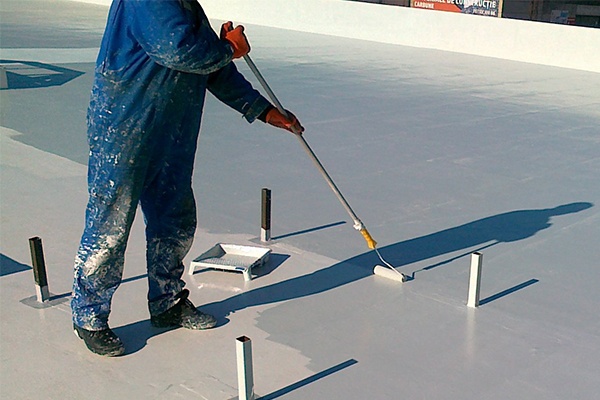
Flat roofs, balconies, and terraces are vulnerable to ponding water. Effective solutions include:
- Thermoplastic polyolefin (TPO) or modified bitumen roofing membranes.
- Sealant joints and flashing upgrades.
- Regular maintenance plans to address wear and tear.
Exterior Wall and Window Sealant
Improperly sealed windows and cladding can allow wind-driven rain to seep inside. Professionals address this by:
- Installing high-performance sealants around openings.
- Applying protective coatings to masonry and stucco.
- Ensuring proper flashing integration with roofing systems.
Key Criteria for Choosing the Right Contractor
Not all waterproofing providers deliver the same level of expertise. Use the following checklist when evaluating candidates:
- Licensing and insurance: Verify that the contractor holds the appropriate state licenses and carries liability coverage.
- Industry certifications: Look for affiliations with organizations such as the Association of the Wall & Ceiling Industry (AWCI) or the International Association of Certified Home Inspectors (IACHI).
- Experience with local conditions: Soil type, climate, and building codes vary by region; a contractor familiar with local challenges will design more effective solutions.
- Transparent estimates: Detailed, written proposals should break down materials, labor, and warranty terms.
- References and case studies: Past projects similar to yours provide insight into workmanship quality.
Understanding the Waterproofing Process
A typical project follows these stages:
- Site assessment: Moisture testing, visual inspection, and diagnostic imaging identify problem areas.
- Design planning: Engineers develop a system layout, selecting appropriate membranes, drainage components, and vapor barriers.
- Installation: Skilled crews apply the chosen solutions, adhering to manufacturer specifications and building codes.
- Quality assurance: Post-installation testing verifies that water intrusion has been eliminated.
- Warranty and maintenance: Ongoing support ensures long-term performance.
Cost Considerations and ROI
While waterproofing represents an upfront investment, the return can be significant. Properly sealed structures avoid costly repairs, maintain property value, and reduce utility expenses. Typical pricing ranges (subject to location and scope) include:
- Basement exterior membranes: $8-$15 per square foot.
- Interior drainage systems: $4-$7 per square foot.
- Roof membrane installation: $5-$12 per square foot.
When budgeting, factor in potential savings from prevented water damage and lower energy bills, which often offset the initial outlay within a few years.
Frequently Asked Questions
How long does a waterproofing system last?
High-quality membranes and proper installation can provide protection for 10-20 years, with many components lasting even longer when maintained regularly.
Can waterproofing be done on an occupied home?
Yes. Many contractors schedule work in phases to minimize disruption, especially for interior solutions that can be completed while residents remain in the house.
What signs indicate that waterproofing is needed?
Common indicators include damp spots on walls, musty odors, peeling paint, and visible water stains after rainstorms.
Next Steps for Homeowners
Begin by gathering a shortlist of reputable waterproofing contractors in your area. Conduct site visits, request detailed proposals, and compare the scope of services offered. For a deeper dive into effective moisture-control strategies, Discover expert strategies here. Additionally, exploring tailored solutions can clarify which methods align best with your home’s specific challenges, Learn about our tailored solutions.
By following these guidelines, homeowners can confidently select a qualified professional, safeguard their property against water damage, and enjoy peace of mind for years to come.
