
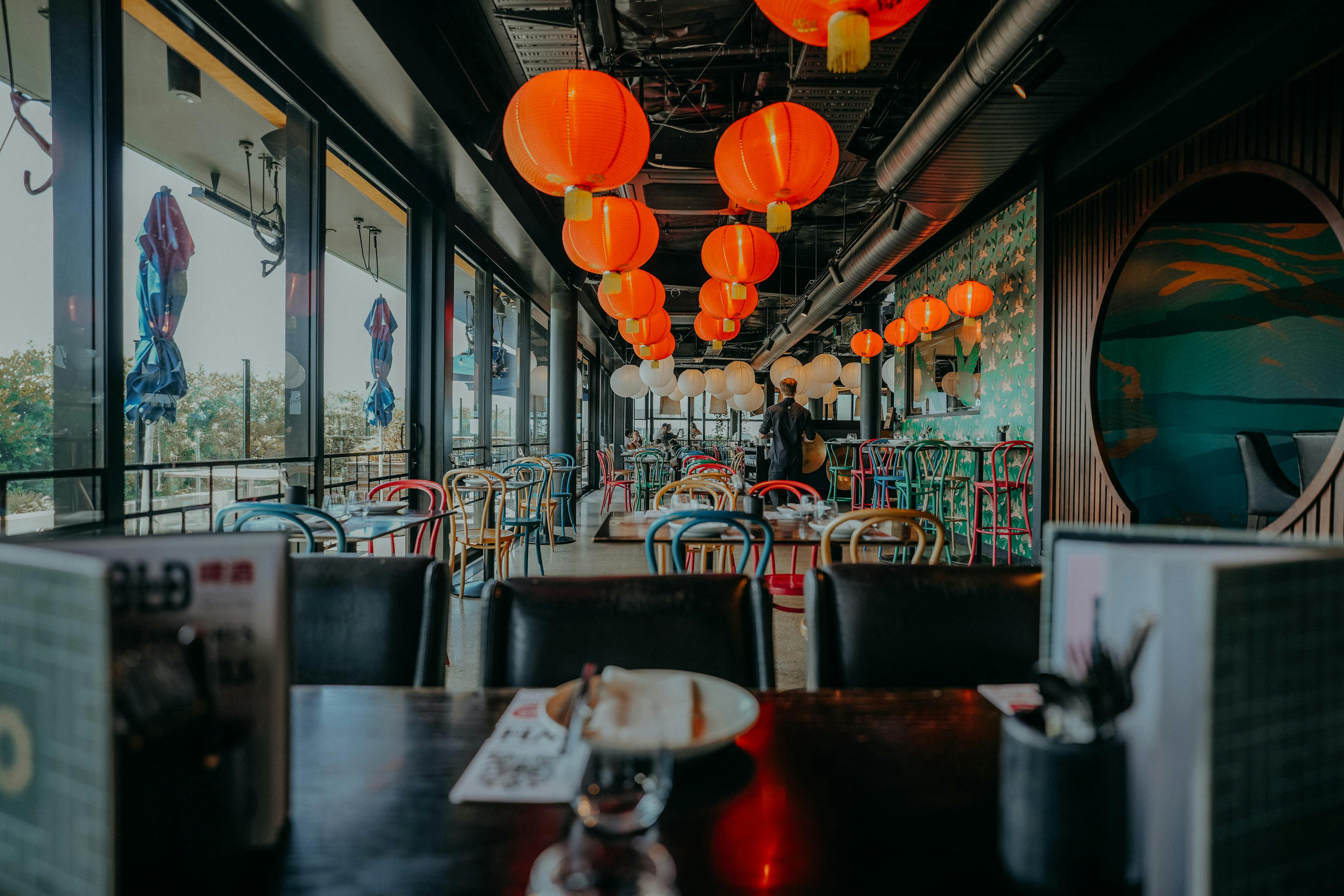
As the landscape of work continues to evolve, so too does the design of our workplaces. Innovative workplace design is about more than just aesthetics; it’s about creating environments that foster productivity, creativity, and well-being. The modern office is a dynamic space that must adapt to the needs of its users and support a variety of working styles. With a focus on flexibility, sustainability, and technology integration, workplace design is becoming a crucial element in the success of any organization.
Flexible Workspaces
Flexibility is a key component in contemporary workplace design. The traditional cubicle layout is giving way to open-plan offices and activity-based workspaces that allow employees to choose how and where they work. This approach not only supports different work styles but also encourages collaboration and innovation among team members.
- Open-plan layouts promote communication and collaboration.
- Activity-based workspaces cater to different tasks and needs.
- Modular furniture allows for easy reconfiguration of spaces.
Learn more in this detailed guide about how flexible workspaces can transform productivity and employee satisfaction.
Emphasis on Well-being
Employee well-being is increasingly recognized as a critical factor in workplace design. Incorporating elements that promote physical and mental health can lead to a more engaged and productive workforce. From ergonomic furniture to biophilic design, these elements are becoming standard in modern office environments.
- Ergonomic seating and desks to reduce strain and injury.
- Natural light and ventilation to enhance mood and energy levels.
- Incorporation of plants and natural materials for a calming effect.
Explore further insights here on how well-being can be incorporated into workplace design.
Technology Integration
Smart Office Solutions
Technology is at the heart of modern workplace design. Smart office solutions are helping businesses streamline operations and improve efficiency. From automated lighting and climate control to advanced communication tools, technology is enabling more effective and efficient work environments.
- Automated systems for lighting and climate control enhance comfort.
- Wireless connectivity supports a mobile workforce.
- Advanced collaboration tools facilitate remote and hybrid work models.
Read more about this topic to understand how technology is shaping the workplaces of the future.
Sustainability in Design
Sustainability is a growing concern in all aspects of life, and workplace design is no exception. Designing offices with environmental responsibility in mind not only helps the planet but can also reduce operating costs and improve brand image. Sustainable design involves choosing eco-friendly materials, optimizing energy use, and incorporating recycling and waste reduction programs.
- Use of sustainable and recycled materials in construction.
- Energy-efficient lighting and appliances to reduce consumption.
- Programs for waste reduction and recycling.
Find additional information here on sustainable practices in workplace design.
Conclusion
As organizations strive to create environments that foster productivity and innovation, the role of workplace design is more critical than ever. By focusing on flexibility, well-being, technology, and sustainability, modern workplaces are not only becoming more efficient and effective but also more enjoyable places to work. Embracing these innovative design solutions can lead to a more motivated and engaged workforce, driving success in today’s competitive business landscape.
