
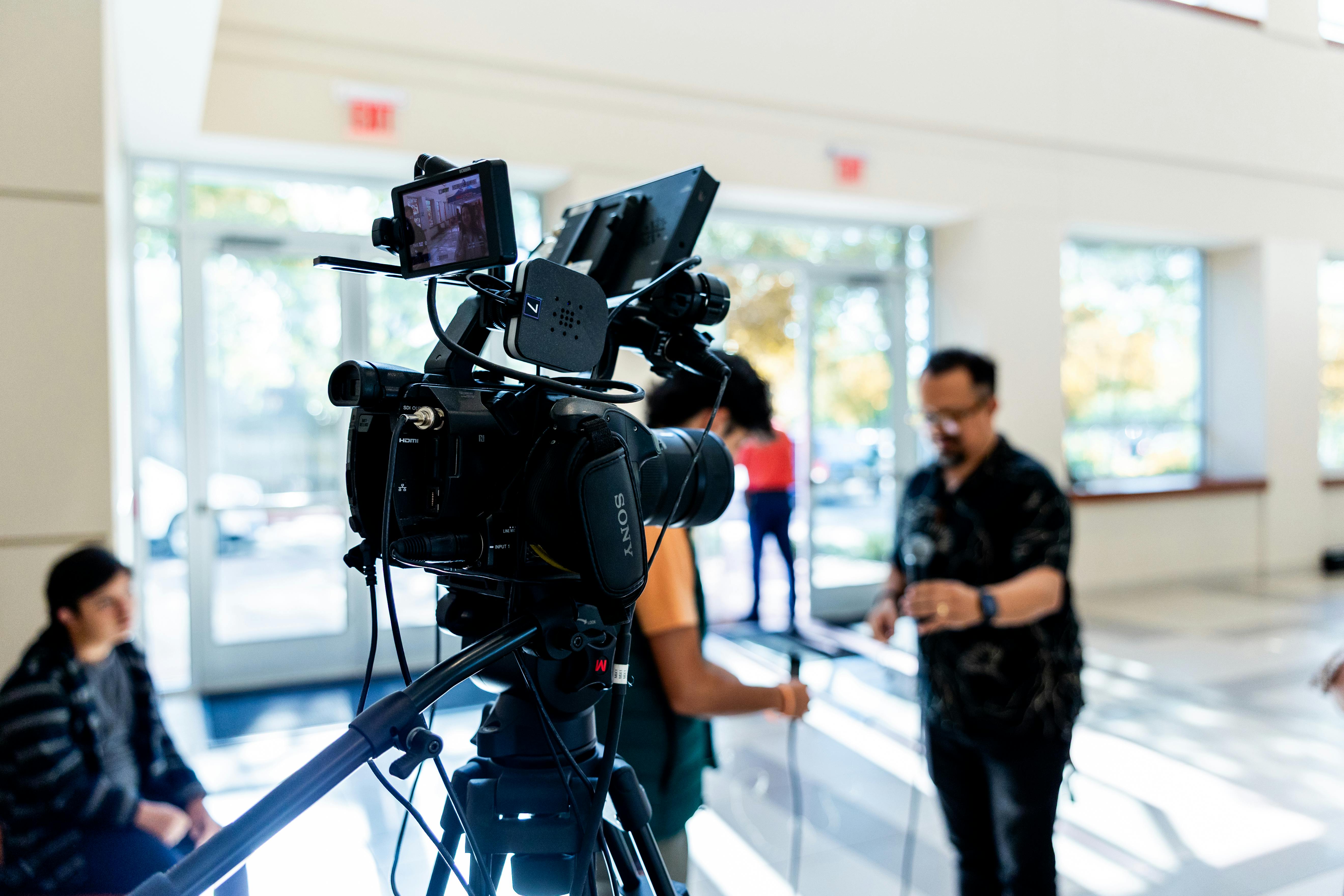
In today’s crowded marketplace, visual storytelling has become a decisive factor in shaping brand perception. Commercial video production offers a dynamic platform to convey values, showcase products, and connect with audiences on an emotional level. By leveraging high-quality video content, brands can differentiate themselves, boost engagement, and ultimately drive growth. The following guide outlines key strategies for maximizing the impact of commercial video production while maintaining a consistent brand identity.
Understanding the Role of Video in Brand Strategy
Before investing in production, it is essential to clarify how video aligns with broader marketing objectives. Consider the following questions:
- What specific message does the brand need to communicate?
- Which audience segments are most likely to respond to visual content?
- How will video performance be measured against other channels?
Answering these questions helps define the scope of the project and ensures that every frame contributes to the overall brand narrative. For a deeper dive into aligning video with brand goals, Read more about this topic.
Planning a Cohesive Video Production Process
1. Concept Development
A clear concept serves as the foundation for a successful video. It should reflect the brand’s voice, visual style, and core values. Effective concept development includes:
- Brainstorming sessions with cross-functional teams.
- Creating mood boards that capture color palettes, typography, and imagery.
- Drafting a concise storyline that resonates with the target audience.
When exploring creative frameworks, Learn more in this detailed guide.
2. Scriptwriting and Storyboarding
Strong scripts translate concepts into compelling narratives, while storyboards visualize each shot. Key practices include:
- Writing concise, benefit-focused copy that avoids jargon.
- Incorporating brand-specific language and taglines consistently.
- Mapping out visual sequences to ensure pacing aligns with the intended emotional impact.
For examples of effective script structures, Explore further insights here.
3. Production Planning
Logistical planning determines the smooth execution of the shoot. Essential steps are:
- Scouting locations that reinforce brand aesthetics.
- Selecting talent that embodies the brand’s personality.
- Preparing a detailed shot list to minimize on-set delays.
Guidelines on efficient production scheduling can be found at Find additional information here.
Key Elements That Strengthen Brand Identity in Video
Visual Consistency
Maintain a unified look across all video assets by adhering to established brand guidelines:
- Use the brand’s primary color palette for graphics, titles, and backgrounds.
- Apply consistent typography for on-screen text and lower thirds.
- Incorporate recognizable visual motifs or patterns that appear in other marketing materials.
Audio Branding
Sound reinforces visual cues and can become a memorable brand signature. Consider:
- Choosing a music style that matches the brand’s tone, whether upbeat, sophisticated, or calm.
- Developing a short sonic logo or jingle that can be reused across campaigns.
- Ensuring voice-over talent reflects the brand’s personality and demographic focus.
Storytelling Techniques
Effective storytelling drives emotional connection. Techniques that work well for commercial videos include:
- Problem-solution narratives that highlight how the brand resolves consumer pain points.
- Customer journey arcs that illustrate real-world usage scenarios.
- Behind-the-scenes glimpses that humanize the brand and build trust.
Optimizing Video for Multi-Channel Distribution
Once the video is produced, strategic distribution maximizes reach and ROI. Different platforms demand specific formats and lengths:
- Social Media: Short, caption-ready clips (15-30 seconds) optimized for vertical or square formats.
- Website Landing Pages: Mid-length videos (60-90 seconds) that autoplay silently with subtitles.
- Email Campaigns: GIF previews linking to the full video to increase click-through rates.
- Paid Advertising: Platform-specific edits that meet ad specifications while preserving core messaging.
Best practices for tailoring video assets across channels are discussed in Read more about this topic.
Measuring Success and Iterating
Quantitative and qualitative metrics guide future video investments. Important performance indicators include:
- Engagement Rate: Likes, shares, comments, and watch time indicate audience resonance.
- Conversion Metrics: Click-throughs, form submissions, or sales linked to video views.
- Brand Recall: Survey data measuring how well viewers remember the brand after watching.
Regularly reviewing these metrics allows for data-driven refinements. For a comprehensive overview of video analytics, Learn more in this detailed guide.
Future-Proofing Your Video Strategy
Technology and consumer preferences evolve rapidly. To keep video content relevant, consider these forward-looking practices:
- Adopt interactive video formats that enable viewers to choose their own pathways.
- Integrate augmented reality (AR) elements for immersive product demonstrations.
- Leverage AI-driven editing tools to produce multiple language versions efficiently.
Staying abreast of emerging trends ensures that commercial video production continues to serve as a powerful brand asset. For additional resources on upcoming video technologies, Explore further insights here.
Conclusion
Commercial video production, when executed with strategic intent, can dramatically elevate a brand’s presence and influence. By aligning video concepts with brand objectives, maintaining visual and auditory consistency, optimizing distribution, and rigorously measuring outcomes, businesses create compelling narratives that resonate across audiences. Continual adaptation to new formats and technologies will keep the brand’s story fresh, engaging, and effective for years to come.
