
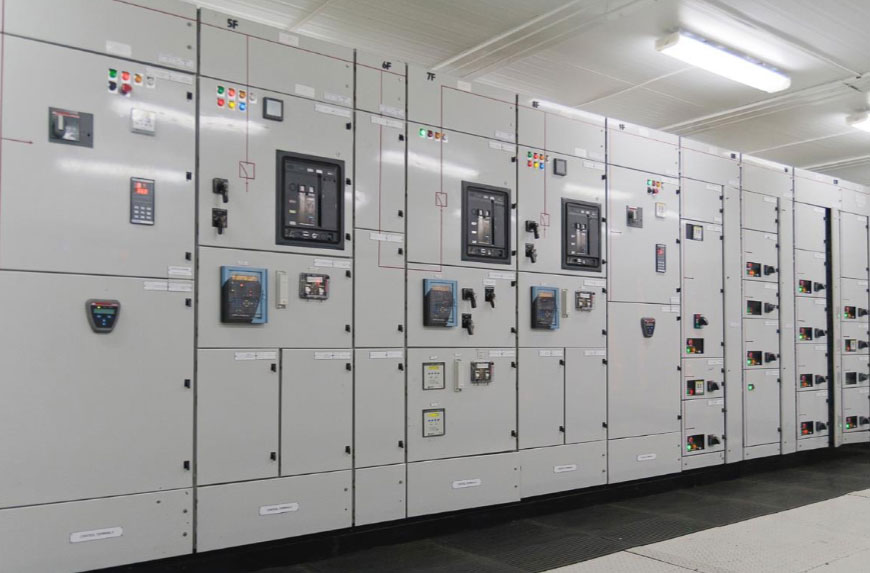
Medium voltage switchgear is a crucial component in electrical distribution systems, providing protection, control, and isolation of electrical equipment. Selecting the right switchgear for a facility involves understanding specific operational requirements and ensuring that the chosen solution aligns with the facility’s technical and safety standards. The process of selecting the right medium voltage switchgear can be complex, but with the right approach, it becomes significantly more manageable. This article offers insights into key considerations and steps to guide the decision-making process.
Understanding Medium Voltage Switchgear
Medium voltage switchgear is designed to handle voltages between 1 kV and 36 kV. It is used in various applications, from industrial plants to commercial buildings, to ensure efficient power distribution and safety. Understanding the fundamentals of medium voltage switchgear is essential for making informed decisions.
- Types of Switchgear: Common types include air-insulated switchgear (AIS), gas-insulated switchgear (GIS), and hybrid switchgear.
- Key Components: Circuit breakers, disconnectors, grounding switches, and current transformers.
- Primary Functions: Protection, control, and isolation of electrical circuits.
To dive deeper into the types and components of medium voltage switchgear, discover expert strategies here.
Considerations for Choosing the Right Switchgear
Operational Requirements
Understanding the specific operational needs of a facility is critical. Various factors should be taken into account to ensure the switchgear meets these needs.
- Voltage Rating: Determine the voltage levels the switchgear will handle.
- Current Rating: Assess the maximum current capacity required for the application.
- Environmental Conditions: Consider factors like temperature, humidity, and potential exposure to corrosive substances.
- Space Availability: Evaluate the available space for installation and maintenance activities.
For a comprehensive guide on aligning switchgear with operational needs, learn about our tailored solutions.
Safety and Compliance
Ensuring that switchgear complies with safety standards and regulations is paramount. Non-compliance can result in safety hazards and legal issues.
- Regulatory Standards: Ensure the switchgear meets national and international standards such as IEC, ANSI, and IEEE.
- Safety Features: Look for features such as arc flash protection, grounding, and reliable fault detection systems.
To explore advanced guides and tips on ensuring compliance and safety, explore advanced guides and tips.
Evaluating Cost-Effectiveness
Cost is a critical factor in selecting switchgear. However, the focus should not solely be on the initial purchase price. Long-term cost-effectiveness should also be considered.
- Initial Cost: Compare prices from various suppliers while considering the quality of the equipment.
- Maintenance Costs: Estimate ongoing maintenance costs and the availability of spare parts.
- Energy Efficiency: Evaluate the energy efficiency of the switchgear to reduce operational costs.
Find out more about this approach by visiting the comprehensive resources available here.
Conclusion
Choosing the right medium voltage switchgear involves a thorough understanding of the facility’s operational requirements, compliance with safety standards, and a careful evaluation of cost-effectiveness. By following a structured approach, facilities can ensure they select switchgear that not only meets their immediate needs but also supports long-term operational efficiency and safety. For further insights and tailored solutions, consider exploring the detailed resources available through professional switchgear providers.
