
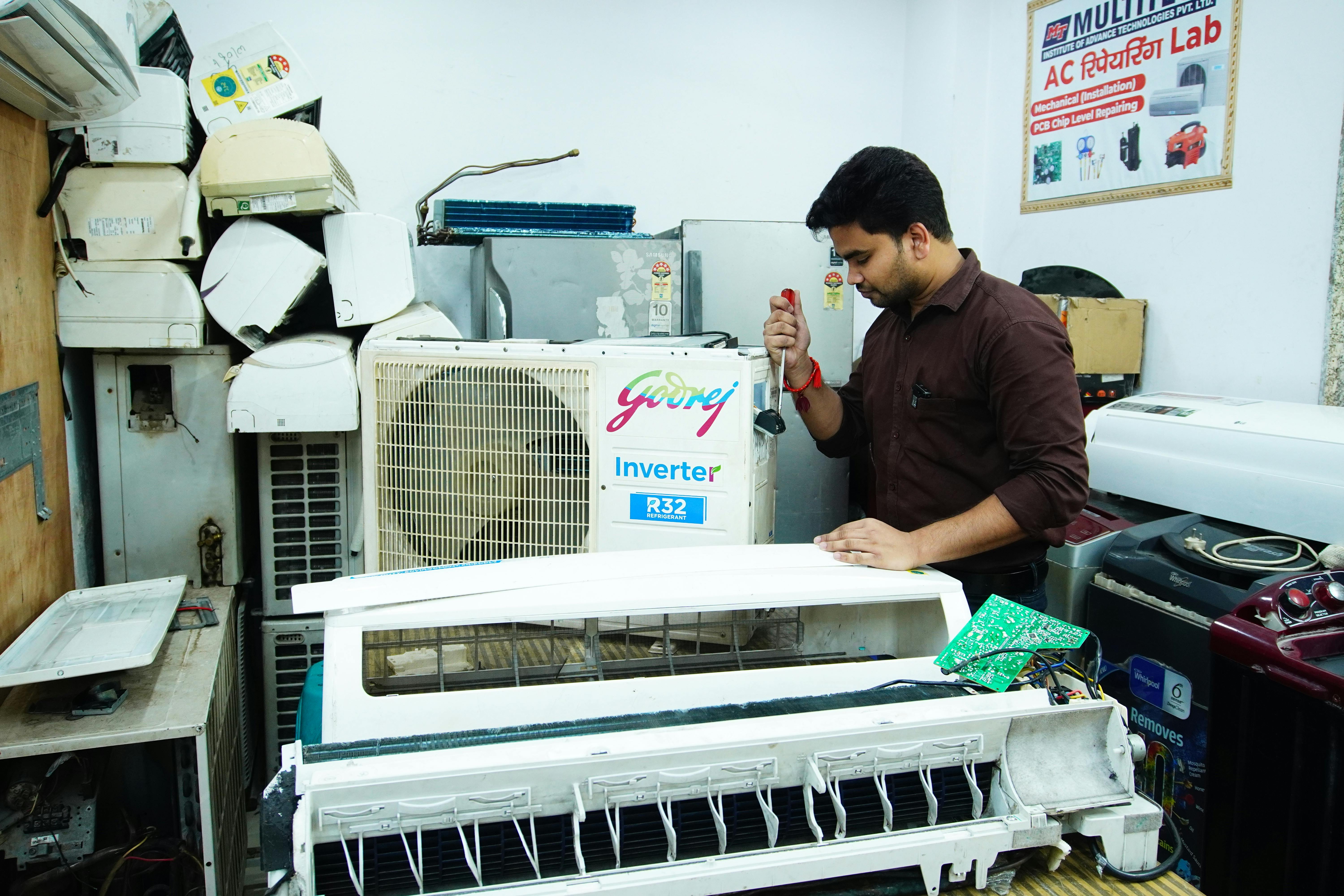
Central air conditioning systems are pivotal in maintaining comfortable indoor environments, particularly during extreme weather conditions. The efficacy and longevity of these systems rely heavily on regular maintenance. Proper upkeep not only ensures optimal performance but also mitigates excessive energy consumption and costly repairs. This comprehensive guide provides insights into maintaining central air systems effectively, ensuring they operate at peak efficiency.
Understanding the Importance of Regular Maintenance
Regular maintenance is crucial for any central air system for several reasons:
- Enhanced Efficiency: Regular check-ups and cleaning prevent dust and debris buildup, ensuring efficient airflow and cooling.
- Extended Lifespan: Consistent maintenance reduces wear and tear, extending the life expectancy of the unit.
- Improved Air Quality: Clean filters and ducts ensure that the air circulated within the home is free from pollutants and allergens.
- Cost Savings: Preventive maintenance can significantly reduce the need for costly repairs and lower energy bills.
Key Maintenance Practices for Central Air Systems
1. Regular Filter Replacement
Air filters should be checked and replaced every 1-3 months, depending on the system’s usage and the manufacturer’s recommendations. Clean filters facilitate proper airflow, reduce the strain on the system, and improve indoor air quality. Discover expert strategies here for selecting the right filters for your system.
2. Cleaning the Coils
The evaporator and condenser coils within the air conditioning unit tend to gather dirt over time. This accumulation can hinder heat absorption and transfer, reducing the system’s efficiency. Regular cleaning ensures optimal coil performance, which is critical for the overall functioning of the system. Explore advanced guides and tips on coil maintenance.
3. Inspecting the Ductwork
Leaks or blockages within the ductwork can lead to significant energy losses and uneven cooling. Periodic inspections can help identify and resolve these issues, ensuring that the system operates efficiently. Find out more about this approach for maintaining duct integrity and performance.
4. Checking the Thermostat
The thermostat plays a crucial role in regulating indoor temperature. Ensuring that it is functioning correctly can prevent unnecessary energy expenditure. An upgrade to a programmable thermostat can offer better control and energy savings. Learn about our tailored solutions for optimizing thermostat settings and performance.
Scheduling Professional Inspections
While some maintenance tasks can be handled independently, professional inspections are indispensable. A certified technician can identify potential issues that may not be evident to an untrained eye. They can also perform tasks such as checking refrigerant levels, inspecting electrical components, and ensuring that all parts are working harmoniously. Explore advanced guides and tips on choosing the right professional services for your central air system.
Conclusion
A well-maintained central air system not only enhances comfort but also contributes to energy efficiency and cost savings. By adopting regular maintenance practices and scheduling professional inspections, homeowners can ensure their systems remain in top condition. For those seeking in-depth guidance and expert strategies, resources like Learn about our tailored solutions offer valuable insights into efficient system maintenance.
