
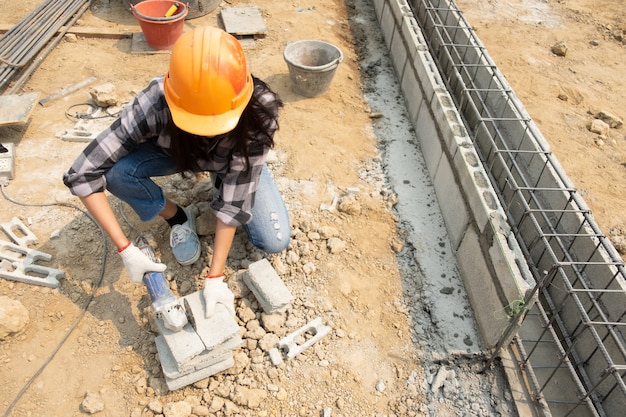
In the realm of construction, concrete retaining walls serve as pivotal structures that not only add functional value but also enhance the aesthetic appeal of commercial landscapes. Victoria’s diverse topography necessitates the construction of these walls to manage soil erosion, offer structural support, and maximize usable land space. For businesses looking to implement such solutions, understanding the intricacies of commercial concrete retaining wall services is crucial. This article delves into the various aspects of these services and how they cater to the unique needs of commercial properties in Victoria.
Importance of Concrete Retaining Walls
Concrete retaining walls are essential in various commercial settings. They play a significant role in:
- Preventing soil erosion by holding back soil in sloped areas.
- Providing structural support to vertical or near-vertical grade changes.
- Enhancing the aesthetic value of a property with their versatile design options.
- Creating additional usable space in landscapes with elevation changes.
To explore advanced guides and tips on how these walls can benefit a commercial property, click here.
Types of Concrete Retaining Walls
1. Gravity Walls
Gravity walls rely on their mass to resist pressure from behind. They are suitable for small to medium height structures and often contain a variety of materials like concrete blocks or stone.
2. Cantilevered Walls
Cantilevered walls are reinforced with steel bars and shaped like an inverted ‘T’. They are efficient for retaining large amounts of soil and are commonly used in commercial applications.
3. Sheet Piling Walls
These are thin walls made of steel, wood, or vinyl driven directly into the ground, suitable for soft soil and tight spaces.
For detailed information on these types of walls, learn about our tailored solutions.
Factors to Consider in Choosing Retaining Wall Services
When opting for retaining wall services, several factors need to be considered:
- Site Conditions: The topography, soil type, and drainage conditions of the site.
- Design Requirements: The aesthetic and functional needs of the property.
- Material Selection: The choice between different materials based on durability and cost-effectiveness.
- Compliance with Local Regulations: Adhering to building codes and regulations in Victoria.
To discover expert strategies for making these decisions, find out more about this approach.
Installation Process
The installation of commercial concrete retaining walls involves several critical steps:
- Planning and Design: A thorough assessment of the site and the creation of a detailed design plan.
- Excavation: Clearing the site and preparing the foundation.
- Construction: Building the wall according to design specifications, ensuring proper alignment and stability.
- Finishing: Applying finishing touches to enhance the wall’s appearance and durability.
For more detailed insights into the installation process, explore advanced guides and tips.
Client Feedback and Reviews
Understanding client feedback is crucial for assessing the quality of services. Check out customer reviews here to see what others are saying about the effectiveness and reliability of the services.
In conclusion, commercial concrete retaining walls are vital for both functional and aesthetic purposes in Victoria. By considering the types of walls, factors in selection, and the installation process, businesses can make informed decisions that cater to their specific needs. For more comprehensive information and assistance, discover expert strategies here.
