
A well-maintained car suspension system is crucial for a smooth and safe driving experience. However, various factors can cause issues with the suspension, leading to a rough ride, decreased fuel efficiency, and even safety hazards. In this comprehensive guide, we will delve into the common problems associated with car suspension repair and provide expert advice on how to diagnose and fix them. For detailed information on suspension repair, including advanced guides and tips, discover expert strategies here.
Common Causes of Suspension Problems
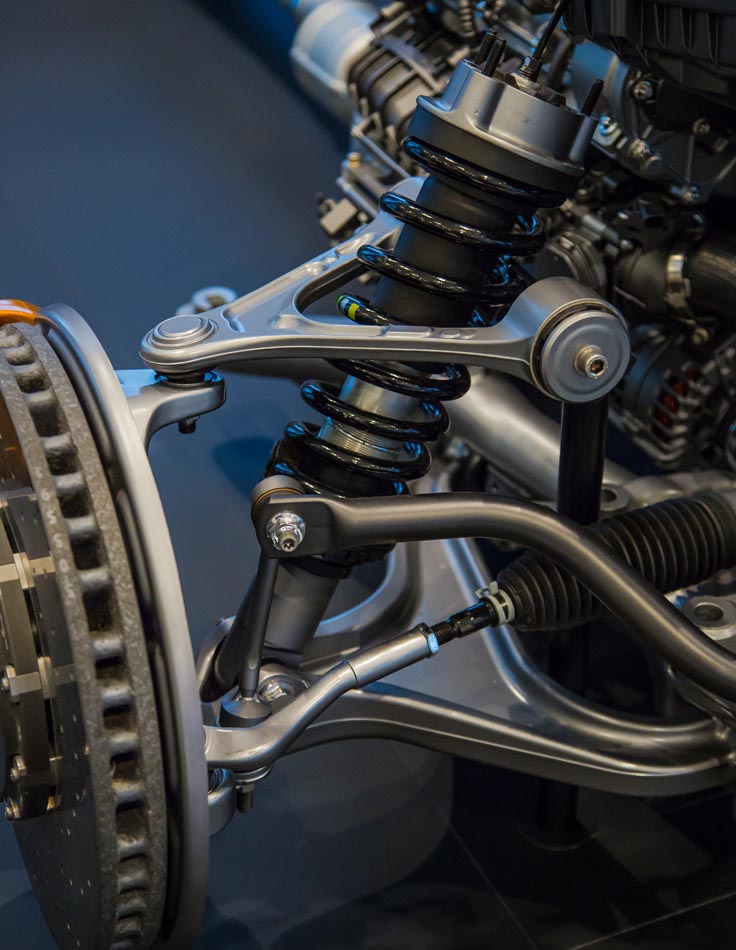
The car suspension system consists of several components, including shock absorbers, struts, springs, and control arms. When any of these components fail or wear out, it can cause suspension problems. Some common causes of suspension issues include:
- Worn-out or damaged shock absorbers or struts
- Loose or worn-out springs
- Damaged or worn-out control arms
- Incorrect tire pressure
Diagnosing Suspension Problems
Identifying the root cause of suspension problems is crucial to effective repair. Some common signs of suspension issues include:
- Uneven tire wear
- Loose or rattling sounds
- Difficulty steering or turning
- Leaks or damage to suspension components
For a more detailed understanding of suspension repair, including tailored solutions for your vehicle, learn about our approach. Our team of experts can help you diagnose and fix suspension problems, ensuring a safe and smooth driving experience.
Repairing Suspension Components
Once the root cause of the suspension problem is identified, the next step is to repair or replace the affected component. Some common repair methods include:
- Replacing worn-out or damaged shock absorbers or struts
- Adjusting or replacing loose or worn-out springs
- Repairing or replacing damaged control arms
- Checking and adjusting tire pressure
It’s essential to note that some suspension repairs may require specialized tools and expertise. If you’re unsure about how to repair your vehicle’s suspension, find out more about this approach and consult with a professional mechanic.
Preventative Maintenance
Preventative maintenance is key to extending the lifespan of your vehicle’s suspension system. Some tips for maintaining your suspension include:
- Regularly checking and adjusting tire pressure
- Inspecting and replacing worn-out or damaged suspension components
- Driving smoothly and avoiding extreme speeds or maneuvers
- Keeping your vehicle properly aligned
By following these tips and staying on top of maintenance, you can help prevent suspension problems and ensure a safe and smooth driving experience. For more information on suspension repair and maintenance, including advanced guides and tips, explore our resources and consult with a professional mechanic.
