
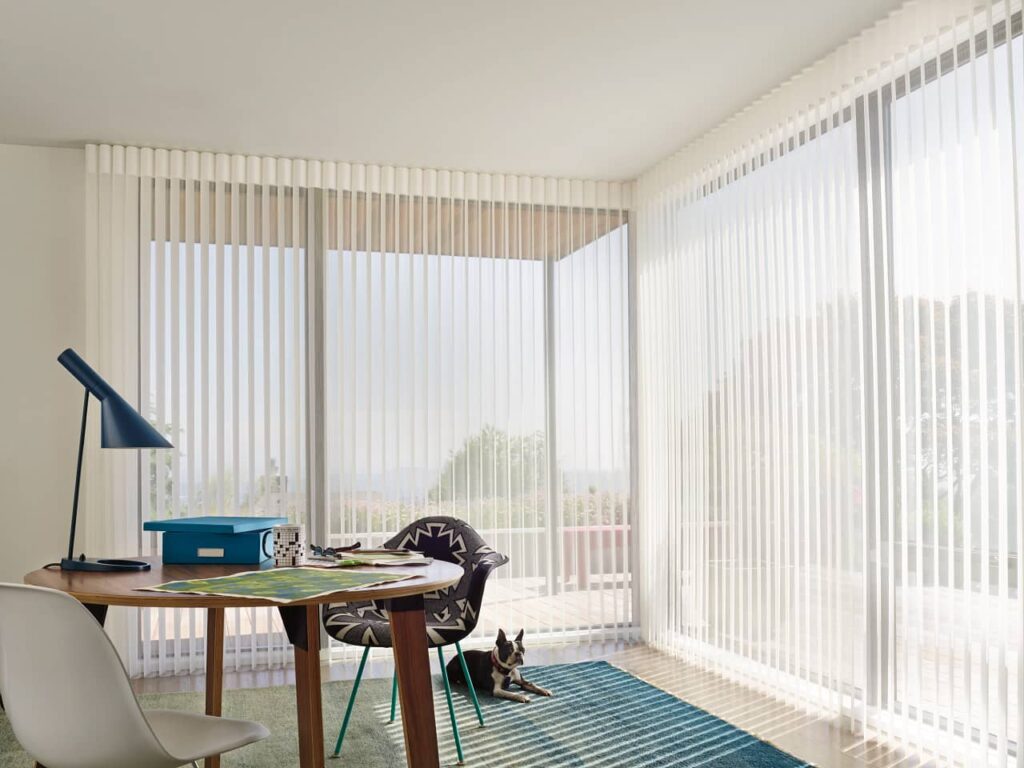
Choosing the right window treatment is a pivotal decision for any interior design project, whether it is a residential living space or a corporate office. Custom blinds offer a blend of functionality, aesthetic versatility, and precise fit that off-the-shelf options simply cannot match. This article explores the key considerations when selecting a custom blinds supplier, outlines the benefits of tailored solutions, and provides practical guidance for making an informed purchase.
Why Opt for Custom Blinds?
Standard blinds are manufactured in limited sizes and finishes, often leading to gaps, uneven light distribution, or compromised style cohesion. Custom blinds address these shortcomings by:
- Providing an exact fit for irregular or unusually sized windows.
- Offering a broader palette of materials, colors, and hardware options.
- Integrating advanced features such as motorization, blackout fabrics, or UV-blocking coatings.
- Ensuring compliance with building codes or interior design specifications.
For readers seeking deeper insight into the advantages of personalized window solutions, Read more about this topic.
Key Factors When Selecting a Supplier
Product Quality and Material Options
A reputable supplier should source high-grade fabrics, woods, and aluminum that stand up to daily use while retaining their appearance. Look for:
- Durable, fade-resistant fabrics.
- sustainably harvested wood or recycled metal options.
- Certified fire-retardant and low-VOC finishes.
Measurement Accuracy
Accurate measurements are the foundation of a perfect blind fit. Suppliers typically offer:
- In-home or on-site measurement services.
- Detailed online guides with printable templates.
- Virtual measurement tools that use photos and dimensions.
Understanding the measurement process can prevent costly reorders; Learn more in this detailed guide.
Customization Capabilities
Beyond size, true customization includes control mechanisms, mounting options, and decorative elements. Consider:
- Motorized versus manual operation.
- Top-down/bottom-up designs for flexible light control.
- Custom hardware finishes such as brushed nickel, matte black, or antique brass.
Lead Times and Installation Support
Project timelines often hinge on how quickly blinds can be produced and installed. Evaluate the supplier’s:
- Average production turnaround (typically 2-4 weeks for standard orders).
- Availability of professional installation teams.
- Clear warranty terms covering material defects and hardware failure.
Cost Considerations
While custom blinds generally carry a higher price tag than mass-produced alternatives, the investment can be justified through longevity, energy savings, and enhanced property value. Cost factors include:
- Material choice – premium fabrics and exotic woods increase price.
- Complexity of the design – motorization and special mounting add expense.
- Quantity – bulk orders for large offices may qualify for volume discounts.
For a comprehensive breakdown of budgeting strategies, Explore further insights here.
Environmental and Sustainability Aspects
Modern consumers increasingly prioritize eco-friendly products. When evaluating a custom blinds supplier, ask about:
- Use of recycled or responsibly sourced materials.
- Low-impact manufacturing processes.
- End-of-life recycling programs for blinds and hardware.
Final Checklist Before Purchase
- Confirm window measurements with a professional or reliable DIY method.
- Identify the desired material, color, and control system.
- Request samples to verify texture, opacity, and finish.
- Review warranty coverage and after-sales service options.
- Compare quotes from multiple suppliers while considering lead times and installation support.
Conclusion
Investing in custom blinds from a knowledgeable supplier ensures that window treatments align perfectly with both functional requirements and aesthetic goals. By focusing on quality materials, precise measurements, robust customization options, and transparent service terms, homeowners and office managers can achieve lasting, stylish solutions that enhance comfort, privacy, and energy efficiency.
