
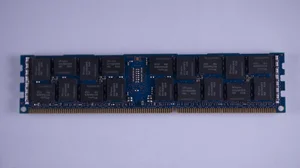
When it comes to modern servers, selecting the right memory configuration is crucial for optimal performance. The transition from DDR4 to DDR5 memory has brought about significant advancements in speed and capacity, but ensuring compatibility can be a daunting task. To navigate this complex landscape, it’s essential to consult reliable resources and expert advice. Fortunately, there are numerous online platforms that offer comprehensive DDR4 DDR5 memory compatibility guides, including the Discover expert strategies here for a seamless upgrade process.
Understanding DDR4 and DDR5 Memory
DDR4 and DDR5 memory modules differ significantly in terms of speed, capacity, and power consumption. DDR4 memory operates at speeds up to 3200 MHz, while DDR5 memory can reach speeds of up to 6400 MHz. Moreover, DDR5 memory offers higher capacities, making it an attractive option for data-intensive applications. However, this increased capacity comes at the cost of higher power consumption, which can impact system cooling and overall efficiency. To mitigate these challenges, server administrators must carefully evaluate their system’s requirements and select the most suitable memory configuration. For a detailed analysis of the differences between DDR4 and DDR5 memory, visit the Learn about our tailored solutions section.
DDR4 DDR5 Memory Compatibility Guidelines
When upgrading to DDR5 memory, it’s crucial to ensure compatibility with the existing system infrastructure. This involves verifying the motherboard’s support for DDR5 memory, as well as the CPU’s ability to handle the increased speed and capacity. Additionally, server administrators must consider the power supply unit’s (PSU) capacity to handle the increased power consumption of DDR5 memory. To navigate these complexities, refer to the Explore advanced guides and tips section, which provides in-depth information on DDR4 DDR5 memory compatibility.
- Verify motherboard support for DDR5 memory
- Check CPU compatibility with DDR5 memory
- Evaluate PSU capacity to handle DDR5 memory power consumption
Choosing the Right DDR4 DDR5 Memory Configuration
With the numerous options available, selecting the right DDR4 DDR5 memory configuration can be overwhelming. To make an informed decision, server administrators must consider factors such as system requirements, budget, and scalability. For example, if the system requires high-speed memory for demanding applications, DDR5 memory may be the best choice. However, if budget is a concern, DDR4 memory may still offer sufficient performance. To determine the most suitable memory configuration, consult the Find out more about this approach section, which provides expert advice on DDR4 DDR5 memory selection.
Ultimately, selecting the right DDR4 DDR5 memory configuration requires careful consideration of system requirements, compatibility, and scalability. By consulting reliable resources and expert advice, server administrators can ensure a seamless upgrade process and maximize system performance. For further guidance on DDR4 DDR5 memory compatibility, refer to the Discover expert strategies here section.
Conclusion
In conclusion, the transition from DDR4 to DDR5 memory has brought about significant advancements in speed and capacity. However, ensuring compatibility can be a complex task. By consulting reliable resources and expert advice, server administrators can navigate this complex landscape and select the most suitable memory configuration for their system. Remember to verify motherboard support, check CPU compatibility, and evaluate PSU capacity to handle DDR5 memory power consumption. For a comprehensive guide to DDR4 DDR5 memory compatibility, visit the Learn about our tailored solutions section.
