
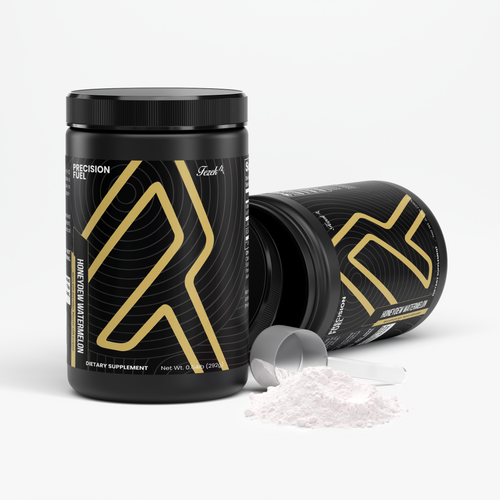
Optimizing gym performance goes beyond consistent training and proper technique; the right nutritional support can significantly influence strength, endurance, and recovery. Supplementation, when chosen wisely, helps fill nutritional gaps, supports metabolic pathways, and enhances the body’s ability to handle intense workloads. This article explores the most effective categories of workout performance supplements, explains how they work, and provides practical guidance for integrating them into a training regimen.
Fundamental Categories of Performance Supplements
1. Creatine Monohydrate
- Increases phosphocreatine stores, allowing faster ATP regeneration during short-duration, high-intensity efforts.
- Supports strength gains of 5-15% in typical resistance-training programs.
- Well-studied safety profile; a daily dose of 3-5″?g is sufficient after a brief loading phase.
For a deeper dive into how creatine can impact power output, Read more about this topic.
2. Beta-Alanine
- Elevates muscle carnosine levels, buffering hydrogen ions that cause fatigue during high-intensity sets.
- Effective for activities lasting 1-4 minutes, such as interval training or heavy lifts.
- Typical dosing: 2-5″?g per day, split to reduce tingling sensations.
To understand the science behind buffering agents, Learn more in this detailed guide.
3. Branched-Chain Amino Acids (BCAAs)
- Leucine, isoleucine, and valine stimulate muscle protein synthesis and may reduce perceived exertion.
- Useful during prolonged sessions when protein intake is delayed.
- Standard ratio of 2:1:1 (leucine:isoleucine:valine) at 5-10″?g per workout.
For practical usage tips, Explore further insights here.
4. Caffeine
- Acts as a central nervous system stimulant, improving focus, reaction time, and endurance.
- Effective dose ranges from 3-6″?mg per kilogram of body weight, taken 30-60 minutes before training.
- Potential tolerance development; cycling periods are recommended.
Guidelines on timing and dosage can be found at Find additional information here.
Supplements for Recovery and Muscle Maintenance
Protein Powders
- Provide a convenient source of high-quality protein, essential for repairing micro-tears caused by resistance work.
- Whey isolate offers rapid digestion; casein offers slower release, suitable before sleep.
- Aim for 20-30″?g of protein within 30 minutes post-exercise to maximize muscle protein synthesis.
Read more about optimal protein timing at Read more about this topic.
Omega-3 Fatty Acids
- EPA and DHA possess anti-inflammatory properties that can aid joint health and reduce delayed-onset muscle soreness.
- Typical daily intake: 1-3″?g of combined EPA/DHA.
- Beneficial for athletes engaged in high-volume training cycles.
For evidence-based benefits, Learn more in this detailed guide.
Electrolyte Blends
- Replenish sodium, potassium, magnesium, and calcium lost through sweat, supporting muscle contraction and nerve transmission.
- Especially important for long cardio sessions or training in hot environments.
- Choose blends without excessive sugars to avoid unwanted caloric intake.
Practical recommendations are available at Explore further insights here.
Integrating Supplements Into a Training Routine
- Assess Individual Needs: Begin with a nutritional audit to identify gaps; supplements should address specific deficiencies rather than replace whole foods.
- Prioritize Fundamentals: Ensure adequate calorie intake, balanced macronutrients, and sufficient sleep before adding performance enhancers.
- Timing Matters: Align supplement ingestion with training windows, pre-workout stimulants before sessions, protein and carbs post-workout for recovery.
- Start Small: Introduce one supplement at a time, monitor response, and adjust dosage as needed.
- Cycle When Necessary: For compounds like caffeine, implement off-weeks to maintain efficacy.
- Stay Hydrated: Many supplements, especially creatine and electrolytes, rely on adequate water intake for optimal absorption.
For a comprehensive checklist on supplement scheduling, Find additional information here.
Safety Considerations and Common Misconceptions
- Quality Assurance: Choose products that undergo third-party testing for purity and label accuracy.
- Dosage Limits: Exceeding recommended amounts does not guarantee better results and may increase risk of side effects.
- Interaction Awareness: Certain supplements can interact with medications or medical conditions; consult a healthcare professional when in doubt.
- Myth-Busting: Not all “pre-workout” blends are necessary; many contain redundant ingredients that can be obtained from a well-balanced diet.
For further clarification on safe supplementation practices, Explore further insights here.
Conclusion
When selected thoughtfully and used in conjunction with solid training fundamentals, performance supplements can meaningfully elevate gym sessions by enhancing strength, endurance, and recovery. The key lies in understanding each supplement’s mechanism, adhering to evidence-based dosing protocols, and integrating them into a personalized nutrition plan. By focusing on quality, timing, and individual response, athletes can harness these tools to achieve consistent progress while maintaining overall health.
