
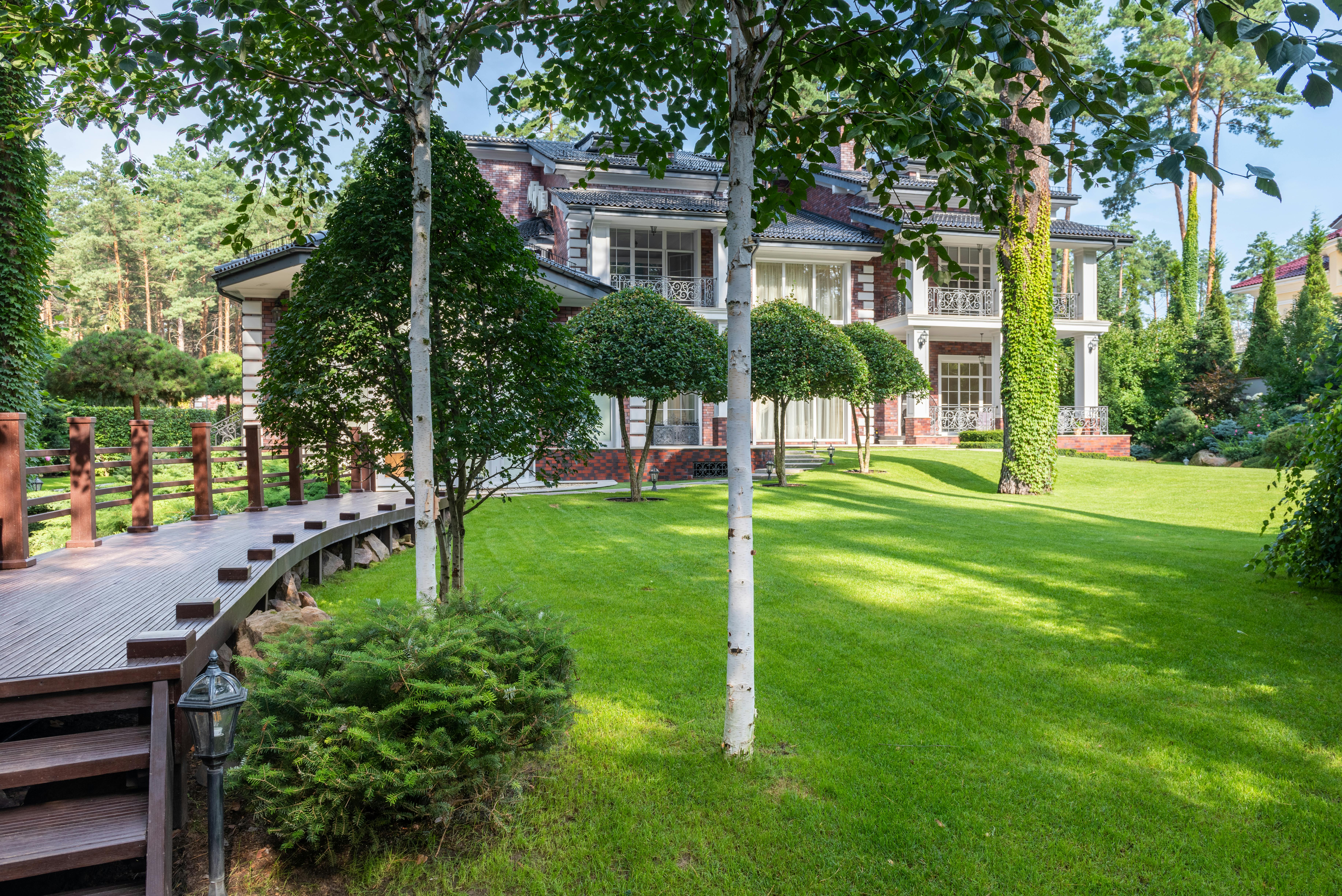
Residential landscaping on the Mornington Peninsula combines the region’s unique climate, coastal influences, and diverse flora to create outdoor spaces that are both aesthetically pleasing and functional. Effective landscaping enhances property value, improves environmental sustainability, and provides a private retreat for homeowners. This article outlines the key considerations, design principles, and maintenance practices essential for achieving professional-grade results in this distinctive locale.
Understanding the Local Environment
Before any design work begins, it is crucial to assess the specific conditions of the Mornington Peninsula. These factors dictate plant selection, irrigation strategies, and overall layout.
- Climate: Mild winters and warm summers with occasional sea breezes require drought-tolerant yet coastal-resilient species.
- Soil Types: Predominantly sandy loam near the coast, transitioning to clay in inland areas; soil testing informs amendment needs.
- Sun Exposure: Varies dramatically across properties; shading structures and plant placement must reflect micro-climates.
- Regulations: Local council guidelines may restrict certain invasive species and dictate water usage.
For a deeper dive into site analysis techniques, Read more about this topic.
Design Principles for Residential Landscapes
Creating Functional Zones
Effective residential landscaping divides the property into distinct zones that serve specific purposes:
- Living Areas: Patios, decks, and outdoor kitchens designed for entertainment.
- Recreational Spaces: Playgrounds, lawn games, or swimming pools.
- Ecological Zones: Native plant beds, rain gardens, and wildlife habitats.
- Utility Zones: Areas for irrigation equipment, compost bins, and storage.
Learn more in this detailed guide.
Choosing Appropriate Plantings
Selection of flora should reflect both aesthetic goals and environmental resilience:
- Native shrubs such as Leptospermum and Acacia provide low-maintenance structure.
- Coastal-tolerant perennials like Lavandula angustifolia and Salvia add colour while withstanding salt spray.
- Drought-smart groundcovers (e.g., Myoporum) reduce irrigation demand.
- Tree choices, such as Eucalyptus radiata or ornamental palms, should be sized appropriately for the lot.
To explore plant selection guidelines specific to the peninsula, Explore further insights here.
Water Management Strategies
Efficient water use is essential given the region’s variable rainfall patterns. Implementing the following systems can significantly reduce consumption:
- Drip Irrigation: Delivers water directly to root zones, minimizing evaporation.
- Rainwater Harvesting: Collects runoff from roofs for reuse in irrigation.
- Smart Controllers: Adjust watering schedules based on weather data.
- Mulching: Retains soil moisture and suppresses weeds.
For a comprehensive overview of sustainable watering practices, Find additional information here.
Maintenance Best Practices
Professional-level maintenance ensures longevity and continued visual appeal. Key tasks include:
- Seasonal Pruning: Promotes healthy growth and removes dead material.
- Soil Health Monitoring: Regular testing and amendment to maintain nutrient balance.
- Pest Management: Integrated pest management (IPM) reduces reliance on chemicals.
- Fertilisation: Use slow-release, organic options timed to plant cycles.
- Cleaning and Upkeep: Routine removal of debris, leaf litter, and dead foliage.
Guidelines for establishing a year-round maintenance schedule are available at Read more about this topic.
Integrating Hardscape Elements
Hardscape features complement planting schemes and add durability to outdoor spaces. Consider the following components:
- Pathways: Use locally sourced stone or permeable pavers to blend with natural surroundings.
- Retaining Walls: Stabilise slopes while providing visual interest.
- Lighting: Low-voltage LED fixtures highlight focal points and improve safety.
- Water Features: Small ponds or fountains create micro-climates that benefit nearby plants.
Design inspiration and technical details can be found by Learn more in this detailed guide.
Conclusion
Achieving professional residential landscaping on the Mornington Peninsula requires a holistic approach that respects the local environment, incorporates functional design, and embraces sustainable practices. By carefully selecting native and coastal-adapted plants, implementing efficient water management, and maintaining a balanced schedule of care, homeowners can enjoy resilient, beautiful outdoor spaces for years to come. For further reading and practical resources, Explore further insights here.
