
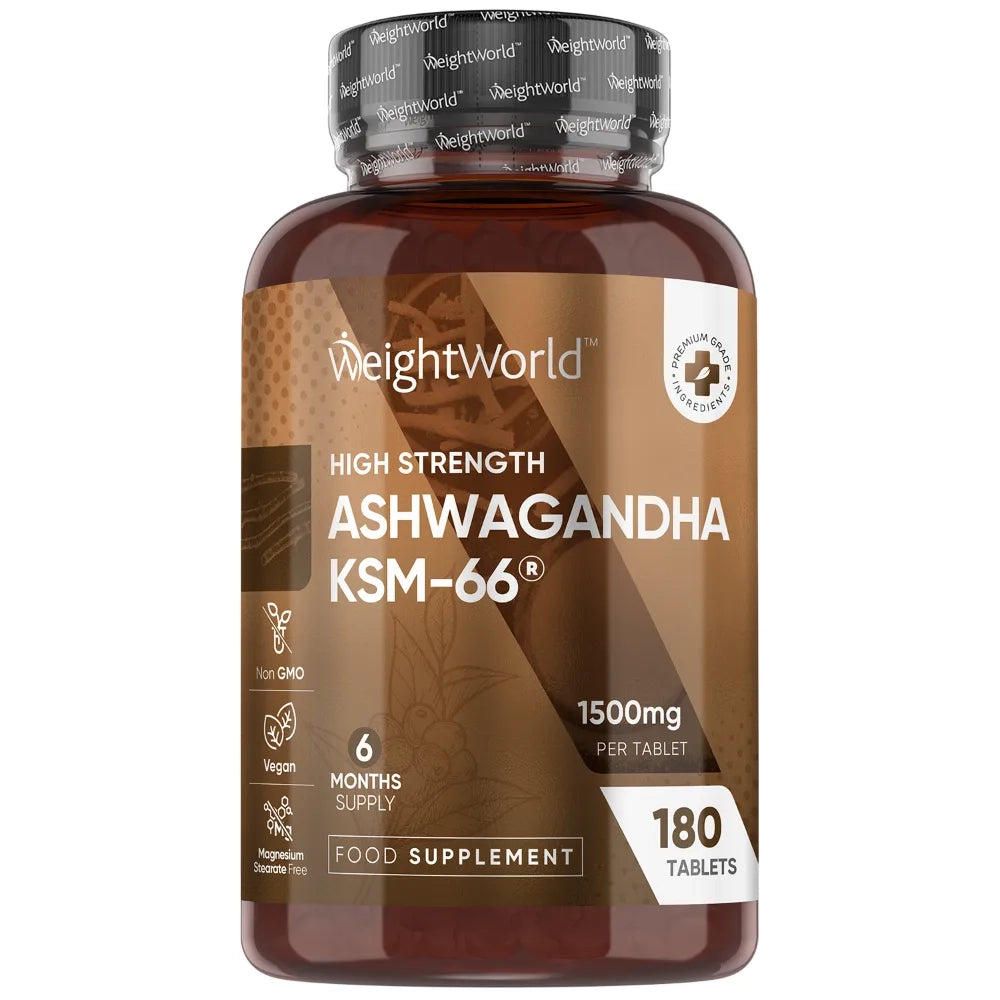
In today’s fast-paced world, chronic stress has become a common denominator affecting physical health, mental clarity, and overall quality of life. While lifestyle adjustments such as regular exercise, adequate sleep, and mindfulness practices remain foundational, many individuals seek natural adjuncts to support their stress-management toolkit. One herb that has garnered significant scientific and consumer interest is ashwagandha (Withania somnifera). Recognized for its adaptogenic properties, ashwagandha helps the body modulate its response to stressors, promoting a balanced hormonal environment and supporting emotional resilience. This article explores the key benefits of an ashwagandha supplement for stress relief, the mechanisms behind its action, and practical considerations for optimal use.
Understanding Adaptogens and Ashwagandha
Adaptogens are a class of botanicals that aid the body in maintaining homeostasis when faced with physical, chemical, or emotional stress. Ashwagandha stands out among adaptogens due to its long history in Ayurvedic medicine and a growing body of peer-reviewed research.
How Ashwagandha Works
- Regulation of cortisol: The primary stress hormone, cortisol, spikes during acute stress and remains elevated in chronic stress. Clinical trials have shown that standardized ashwagandha extracts can reduce resting cortisol levels by up to 30%.
- Neurotransmitter balance: Ashwagandha influences GABA and serotonin pathways, contributing to a calmer mood and improved sleep quality.
- Antioxidant activity: The herb contains withanolides that combat oxidative stress, protecting neurons and supporting cognitive function.
Key Benefits of Ashwagandha Supplementation for Stress Relief
1. Lowered Perceived Stress and Anxiety
Multiple randomized controlled trials have demonstrated that daily intake of a high-quality ashwagandha supplement leads to statistically significant reductions in perceived stress scores (PSS) and anxiety scales (GAD-7). Participants often report feeling more relaxed and less “on edge” after 4-6 weeks of consistent use.
2. Enhanced Mood and Emotional Resilience
The herb’s impact on serotonin and dopamine modulation helps stabilize mood fluctuations. Users commonly experience a gradual uplift in overall well-being without the jittery side effects associated with stimulants.
3. Improved Sleep Quality
Because ashwagandha promotes GABAergic activity, it can shorten the time it takes to fall asleep and increase deep-sleep duration. Better sleep, in turn, reduces the physiological impact of stress, creating a positive feedback loop.
4. Support for Cognitive Performance
Stress-induced cortisol spikes can impair memory and concentration. By attenuating cortisol, ashwagandha helps preserve working memory, reaction time, and mental clarity, critical for professionals and students alike.
5. Physical Recovery and Energy Balance
Adaptogenic support extends beyond the mind. Athletes and active individuals note faster muscle recovery and reduced perceived exertion, likely due to the herb’s anti-inflammatory and mitochondrial-supporting properties.
Choosing a High-Quality Ashwagandha Supplement
Not all ashwagandha products are created equal. For reliable stress-relief outcomes, consider the following criteria when selecting a supplement:
- Standardized withanolide content: Look for extracts standardized to 5%-10% withanolides, the bioactive compounds responsible for most therapeutic effects.
- Third-party testing: Certifications from independent labs ensure purity, potency, and freedom from contaminants such as heavy metals or pesticides.
- Bioavailability enhancements: Formulations that include black-pepper extract (piperine) or are encapsulated in liposomal carriers can improve absorption.
- Dosage clarity: Effective clinical doses typically range from 300″?mg to 600″?mg taken once or twice daily, preferably with meals.
Brands that adhere to Good Manufacturing Practices (GMP) and provide transparent sourcing information are more likely to deliver consistent results. A well-formulated ashwagandha supplement will list the exact extract ratio and include a certificate of analysis.
Integrating Ashwagandha Into a Stress-Management Routine
While ashwagandha can be a valuable ally, its effectiveness is maximized when combined with holistic lifestyle habits:
- Consistent timing: Take the supplement at the same time each day to maintain steady blood levels.
- Balanced nutrition: Pair with a diet rich in omega-3 fatty acids, magnesium, and B-vitamins, which also support the nervous system.
- Physical activity: Moderate exercise reduces cortisol and enhances the adaptogenic response.
- Mind-body practices: Meditation, deep-breathing, or yoga complement the calming effects of ashwagandha.
Safety Profile and Potential Interactions
Ashwagandha is generally well-tolerated, with mild side effects such as gastrointestinal discomfort reported in a small minority of users. However, individuals should be aware of the following considerations:
- Thyroid function: The herb may modestly increase thyroid hormone levels; those on thyroid medication should monitor levels regularly.
- Pregnancy and lactation: Current evidence is limited, so it is advisable to consult a healthcare professional before use.
- Medication interactions: Ashwagandha can potentiate the effects of sedatives, benzodiazepines, or immunosuppressants.
Conclusion
Incorporating a scientifically backed ashwagandha supplement into a comprehensive stress-management strategy offers a natural, evidence-based approach to reducing cortisol, enhancing mood, and supporting overall resilience. By selecting a high-quality, standardized product and pairing it with healthy lifestyle habits, individuals can experience measurable improvements in mental clarity, sleep quality, and emotional balance, key pillars for thriving in today’s demanding environment.
