
Reaching peak performance in the gym is rarely a matter of luck; it’s the result of a well-planned training regimen, proper nutrition, and strategic supplementation. While protein intake and calorie balance lay the foundation, certain muscle growth supplements can accelerate recovery, enhance strength, and support lean mass development. This guide explores the most effective supplements for muscle growth, how they work, and practical tips for integrating them into a daily routine.
Understanding the Role of Supplements in Muscle Development
Supplements are not magic pills, but they can fill nutritional gaps, improve cellular processes, and provide the extra edge needed during intense training cycles. The most reputable products are backed by scientific research and contain transparent ingredient lists. When choosing a supplement, consider bioavailability, dosage, and how it aligns with personal goals.
Key Benefits of Targeted Muscle Growth Supplements
- Enhanced Protein Synthesis: Amino acids such as leucine trigger the mTOR pathway, a critical driver of muscle protein synthesis.
- Improved Recovery: Anti-inflammatory compounds and electrolytes help reduce muscle soreness and replenish fluids lost during workouts.
- Increased Strength Output: Creatine and beta-alanine boost phosphocreatine stores, allowing for higher power output in short-duration efforts.
- Optimized Hormonal Environment: Certain nutrients support natural testosterone production, which can aid muscle hypertrophy.
Top Muscle Growth Supplements to Consider
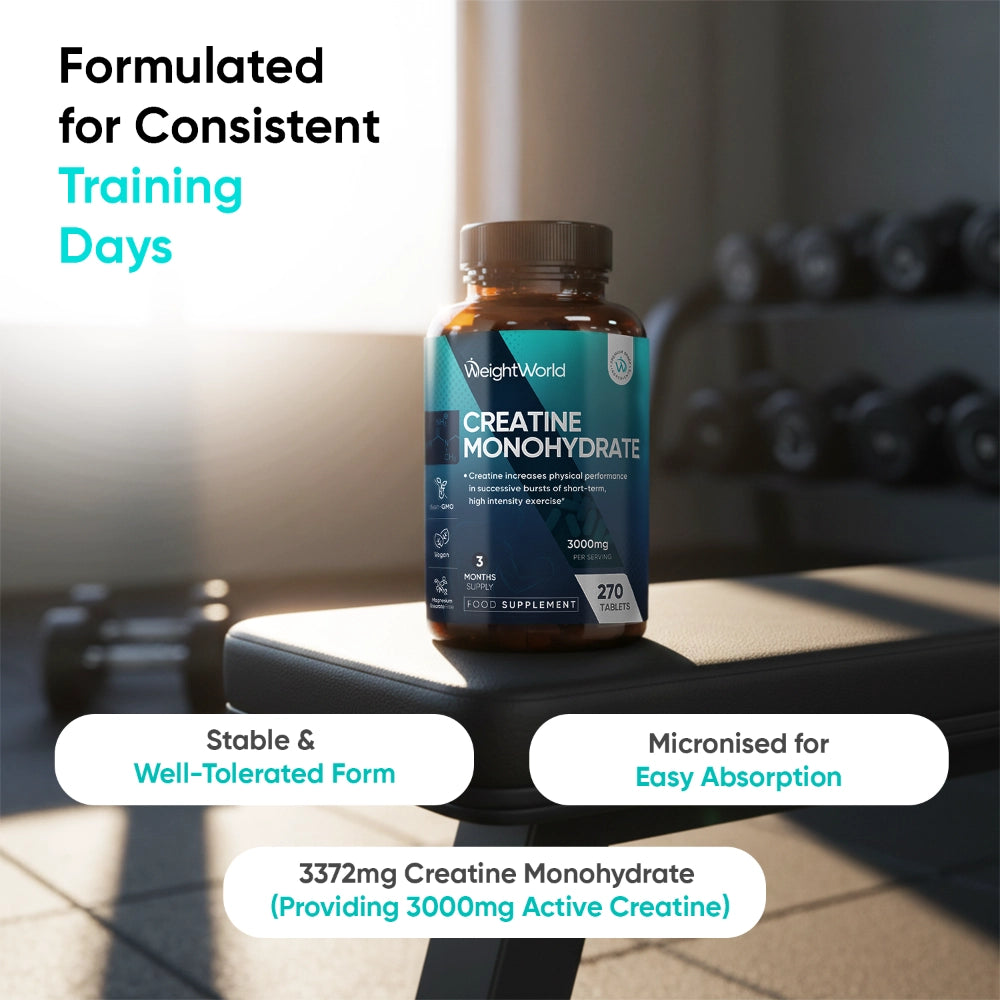
1. Creatine Monohydrate
Creatine remains the most researched supplement for strength and size gains. It works by replenishing ATP, the primary energy source for high-intensity lifts. Consistent daily dosing (3-5″?g) can increase muscle creatine stores by up to 20%, leading to noticeable improvements in bench press, squat, and deadlift performance.
- Take with a carbohydrate-rich beverage to improve absorption.
- Cycle isn’t required; daily use is safe for most adults.
- Combine with protein post-workout for synergistic effects.
2. Whey Protein Isolate
Whey isolate provides a rapid source of high-quality protein, delivering all essential amino acids within minutes of ingestion. It’s especially useful immediately after training when the muscle-building window is most receptive.
- Consume 20-30″?g within 30″?minutes post-exercise.
- Choose a product with minimal added sugars and artificial flavors.
- Pair with creatine for a comprehensive recovery protocol.
3. Beta-Alanine
Beta-alanine raises intramuscular carnosine levels, which buffers lactic acid and delays fatigue during high-rep sets. A daily dose of 3-6″?g, split across meals, can improve endurance and allow for higher training volumes.
- May cause a harmless tingling sensation (paresthesia) at higher doses.
- Best taken with meals to reduce the tingling effect.
- Effective for both strength athletes and endurance-focused lifters.
4. Branched-Chain Amino Acids (BCAAs)
BCAAs, leucine, isoleucine, and valine, support muscle protein synthesis and reduce catabolism during prolonged training sessions. While whole-protein sources are superior, BCAAs can be convenient intra-workout.
- Look for a 2:1:1 leucine-to-isoleucine/valine ratio.
- Use during long cardio or weight-training sessions lasting over an hour.
- Combine with electrolytes for optimal hydration.
Choosing the best supplements for muscle growth – Practical Tips
With countless products on the market, selecting the right supplement requires a systematic approach. Below are actionable criteria to evaluate options before purchase.
- Third-Party Testing: Look for certifications from organizations such as NSF, Informed-Sport, or Labdoor.
- Ingredient Transparency: The label should list exact dosages of active compounds.
- Scientific Backing: Prefer supplements that reference peer-reviewed studies.
- Formulation Synergy: Products that combine complementary ingredients (e.g., creatine + whey) can simplify dosing.
- Customer Feedback: Review verified buyer experiences for real-world efficacy and tolerability.
Integrating Supplements into a Daily Routine
Timing and consistency are as important as the supplement itself. Below is a sample schedule for a typical training day.
- Morning: 5″?g creatine mixed with water; 20″?g whey isolate if breakfast is protein-light.
- Pre-Workout (30″?min prior): 3″?g beta-alanine and a serving of BCAAs.
- Post-Workout: 30″?g whey isolate combined with 5″?g creatine (if not taken earlier).
- Evening: Light protein snack (e.g., Greek yogurt) to maintain a positive nitrogen balance.
Potential Side Effects and Safety Considerations
While most muscle growth supplements are well tolerated, individual responses can vary. It is advisable to consult a healthcare professional before beginning any new regimen, especially for those with pre-existing medical conditions.
- Creatine: May cause mild gastrointestinal discomfort if taken on an empty stomach.
- Beta-alanine: Tingling sensation is harmless but can be mitigated by splitting doses.
- Whey Protein: Lactose-intolerant individuals should opt for isolate or plant-based alternatives.
- BCAAs: Excessive intake can interfere with the balance of other amino acids; stick to recommended doses.
Conclusion
Strategically selected muscle growth supplements can complement disciplined training and nutrition, accelerating the path toward stronger, leaner physique. By focusing on scientifically validated ingredients, creatine, whey protein, beta-alanine, and BCAAs, athletes can enhance performance, reduce recovery time, and sustain consistent progress. Remember that supplements are an adjunct, not a replacement, for a balanced diet and well-structured workout program. With informed choices and disciplined use, achieving fitness goals becomes a realistic and rewarding journey.
