
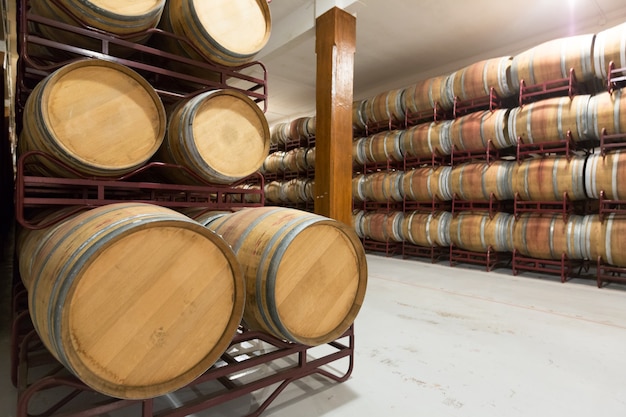
Investing in whiskey has emerged as a popular alternative investment strategy, attracting both enthusiasts and serious investors alike. With its rich history and growing global demand, whiskey offers a unique opportunity for diversification in investment portfolios. However, maximizing returns in this niche market requires a strategic approach that balances risk with potential rewards. This guide provides a comprehensive overview of the key considerations for those looking to optimize their whiskey investment returns.
Understanding Whiskey Investment
Whiskey investment, particularly in casks, is gaining momentum due to its potential for high returns. The market has shown resilience, with appreciation often exceeding traditional asset classes. However, understanding the dynamics of the market is critical for success.
The Appeal of Whiskey Cask Investment
The appeal of whiskey cask investment lies in the maturation process. Unlike other spirits, whiskey casks increase in value as they age, offering a tangible asset with intrinsic value.
Key benefits include:
- Historical appreciation in value.
- Limited supply of premium casks, driving demand.
- Diversification from traditional financial markets.
Strategies for Maximizing Returns
Maximizing returns from whiskey investments involves strategic planning and informed decision-making. Here are some essential strategies:
Research and Due Diligence
Conducting thorough research is fundamental. Investors should:
- Examine market trends and historical data.
- Understand the distillery’s reputation and production methods.
- Assess the age and quality of the whiskey.
Engaging with industry experts can provide valuable insights and enhance decision-making.
Diversification in Whiskey Investments
Diversifying investments across different types of whiskey and distilleries can mitigate risks. Considerations include:
- Investing in a mix of established and emerging distilleries.
- Balancing between single malt and blended whiskey.
- Exploring geographic diversity to capitalize on regional trends.
Understanding Market Trends
Keeping abreast of market trends is crucial for maximizing whiskey investment returns. Key trends include:
Global Demand and Cultural Shifts
The global demand for whiskey is influenced by cultural preferences and economic conditions. Staying informed about these shifts can provide investment opportunities.
Technological Advancements
Technology is playing an increasing role in the whiskey industry, with advancements in production and distribution impacting market dynamics. Understanding these developments can offer a competitive edge.
Exit Strategies
Planning an exit strategy is as important as the initial investment decision. Options include:
Private Sales and Auctions
Investors can consider selling casks privately or through auctions to achieve optimal prices. Engaging with reputable auction houses can facilitate this process.
Partnerships and Trade Sales
Forming partnerships with distributors or other investors can provide additional avenues for liquidation, potentially enhancing returns.
Conclusion
Whiskey investment offers a unique blend of passion and profit potential. By understanding the market, conducting thorough research, and strategically planning investments, investors can maximize their best whisky cask investment returns. As with any investment, a careful approach and informed decisions are key to achieving success in the whiskey market.
