
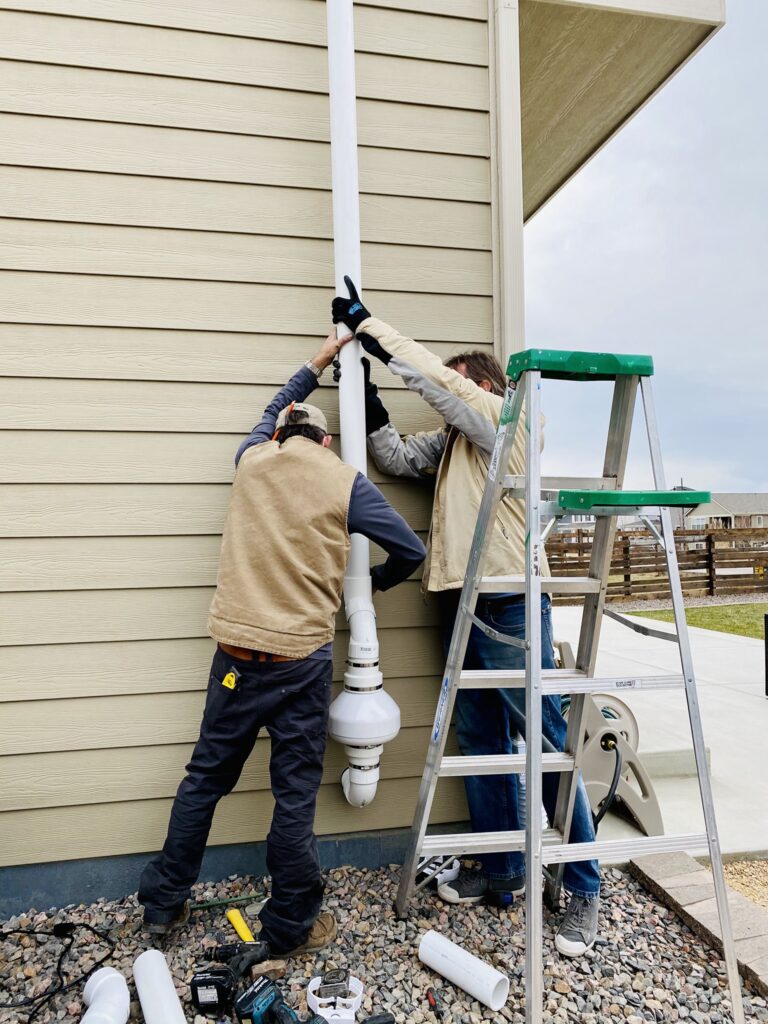
Radon is a naturally occurring radioactive gas that can pose significant health risks. In Denver, where radon levels are often higher than the national average, understanding and addressing this issue is crucial for homeowners and property managers. Radon mitigation involves strategies and measures to reduce radon concentrations in indoor air, ensuring safer living environments. This article explores the essentials of radon mitigation, emphasizing its importance in Denver’s unique geological setting.
What is Radon and Why is it a Concern?
Radon is colorless, odorless, and tasteless, making it difficult to detect without proper testing. It originates from the natural breakdown of uranium in soil, rock, and water and can enter homes through cracks in floors and walls.
- Radon is the second leading cause of lung cancer after smoking.
- High radon levels have been identified in homes across Denver, increasing the urgency for effective mitigation.
- Regular testing is essential as radon levels can vary significantly from one home to another.
For detailed strategies on radon testing and mitigation, discover expert strategies here.
Radon Mitigation Techniques
Mitigating radon involves employing several tested techniques to ensure the safe reduction of radon levels in homes and buildings. Here are some commonly used methods:
Sub-Slab Depressurization
This is one of the most effective methods for reducing radon levels in existing homes:
- Involves installing a vent pipe system and fan to pull radon from beneath the house and vent it to the outside.
- Particularly useful in homes with basements, helping to maintain lower indoor radon levels.
Learn about our tailored solutions to sub-slab depressurization and other methods tailored to Denver’s landscape.
Sealing and Caulking
Sealing cracks and openings in the foundation is a supplemental measure that enhances the effectiveness of other mitigation techniques:
- Helps prevent radon entry while also reducing the loss of conditioned air.
- Cost-effective and can be combined with other mitigation systems.
Radon Mitigation in New Construction
Incorporating radon-resistant features in new homes can prevent radon problems from the start, offering several advantages:
- Prevents radon from entering the home, making it easier and cheaper to maintain safe levels.
- Increases the future resale value of the property by ensuring safety and compliance with health standards.
To explore advanced guides and tips on radon-resistant construction, explore advanced guides and tips.
The Importance of Professional Mitigation Services
While DIY options are available, professional radon mitigation services offer expertise, precision, and long-term effectiveness:
- Professionals use specialized equipment to accurately assess and address radon levels.
- They provide customized solutions based on specific home designs and soil conditions.
- Regular maintenance and follow-ups ensure continued radon safety.
Find out more about this approach to ensure your home is protected against radon.
Conclusion
Understanding radon mitigation is vital for maintaining a healthy living environment, especially in areas like Denver with naturally higher radon levels. Employing professional mitigation strategies ensures effective and sustained reduction of radon concentrations, safeguarding health and enhancing property value. With comprehensive resources and expert insights available, homeowners can take proactive steps to address radon concerns swiftly and efficiently.
