
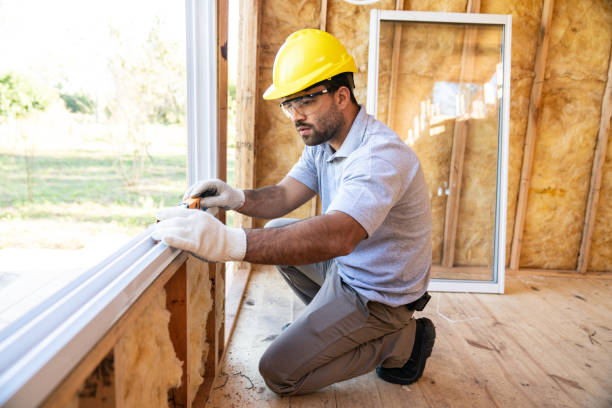
When it comes to home construction or renovation, insulation often takes a backseat in the planning process. However, the importance of selecting the right insulation material cannot be overstated. Proper insulation not only keeps a home warm in the winter and cool in the summer but also significantly impacts energy efficiency, comfort, and long-term savings. Understanding why insulation material matters can empower homeowners to make informed decisions that enhance the quality and value of their homes.
Understanding the Role of Insulation
Insulation plays a critical role in maintaining a stable indoor environment. It acts as a barrier to heat flow, reducing the amount of heat that escapes your home in the winter and enters it in the summer. This process is vital for several reasons:
- Energy Efficiency: Proper insulation reduces the need for heating and cooling systems to work overtime, thereby cutting down on energy consumption and lowering utility bills.
- Comfort: Consistent indoor temperatures without drafts or cold spots contribute to a more comfortable living space.
- Noise Reduction: Insulation also serves as a sound barrier, minimizing noise from outside and between rooms.
- Environmental Impact: By using less energy, a well-insulated home reduces its carbon footprint.
Types of Insulation Materials
Choosing the best insulation material for your home depends on various factors, including climate, budget, and specific needs. Here are some common types of insulation materials:
Fiberglass
Fiberglass is one of the most popular forms of insulation due to its affordability and effectiveness. It is available in batts or loose fill and is made from fine glass fibers.
- Pros: Cost-effective, easy to install, non-flammable.
- Cons: Can be irritating to the skin and lungs if not handled properly.
Foam Board
Foam board insulation is made from polystyrene, polyisocyanurate, or polyurethane. It is known for its high insulating value and moisture resistance.
- Pros: High R-value, durable, moisture-resistant.
- Cons: More expensive than other forms of insulation.
Spray Foam
Spray foam insulation is a versatile option that expands upon application, sealing gaps and providing excellent thermal resistance.
- Pros: Provides an airtight seal, high R-value, effective in hard-to-reach areas.
- Cons: Higher cost, requires professional installation.
Factors Affecting Insulation Prices
Several factors can influence insulation prices, making it essential to consider these elements when budgeting for a project:
- Material Type: Different materials come with varying costs; for instance, spray foam is typically more expensive than fiberglass.
- R-Value: Higher R-value insulation generally costs more but offers better performance.
- Installation Area: Complex areas or large spaces may require more labor, increasing overall costs.
- Local Climate: Homes in extreme climates may require more insulation, affecting material and installation expenses.
How to Choose the Right Insulation Company
Working with a reputable insulation company ensures that the material is properly installed and meets the necessary efficiency standards. Consider the following when selecting a provider:
- Experience and Expertise: Choose a company with a proven track record in insulation installation.
- Customer Reviews: Look for companies with positive reviews and testimonials from previous clients.
- Service Range: Opt for providers that offer a wide range of insulation options to suit different needs.
- Certification: Ensure the company is certified and adheres to national and local regulations.
In conclusion, the selection of insulation material is a critical decision that impacts the energy efficiency, comfort, and environmental footprint of a home. By understanding the different types of materials, factors affecting costs, and how to choose a reliable insulation provider, homeowners can make informed choices that benefit both their homes and their budgets. Whether building a new home or renovating an existing one, prioritizing insulation is a wise investment in long-term performance and sustainability.
