
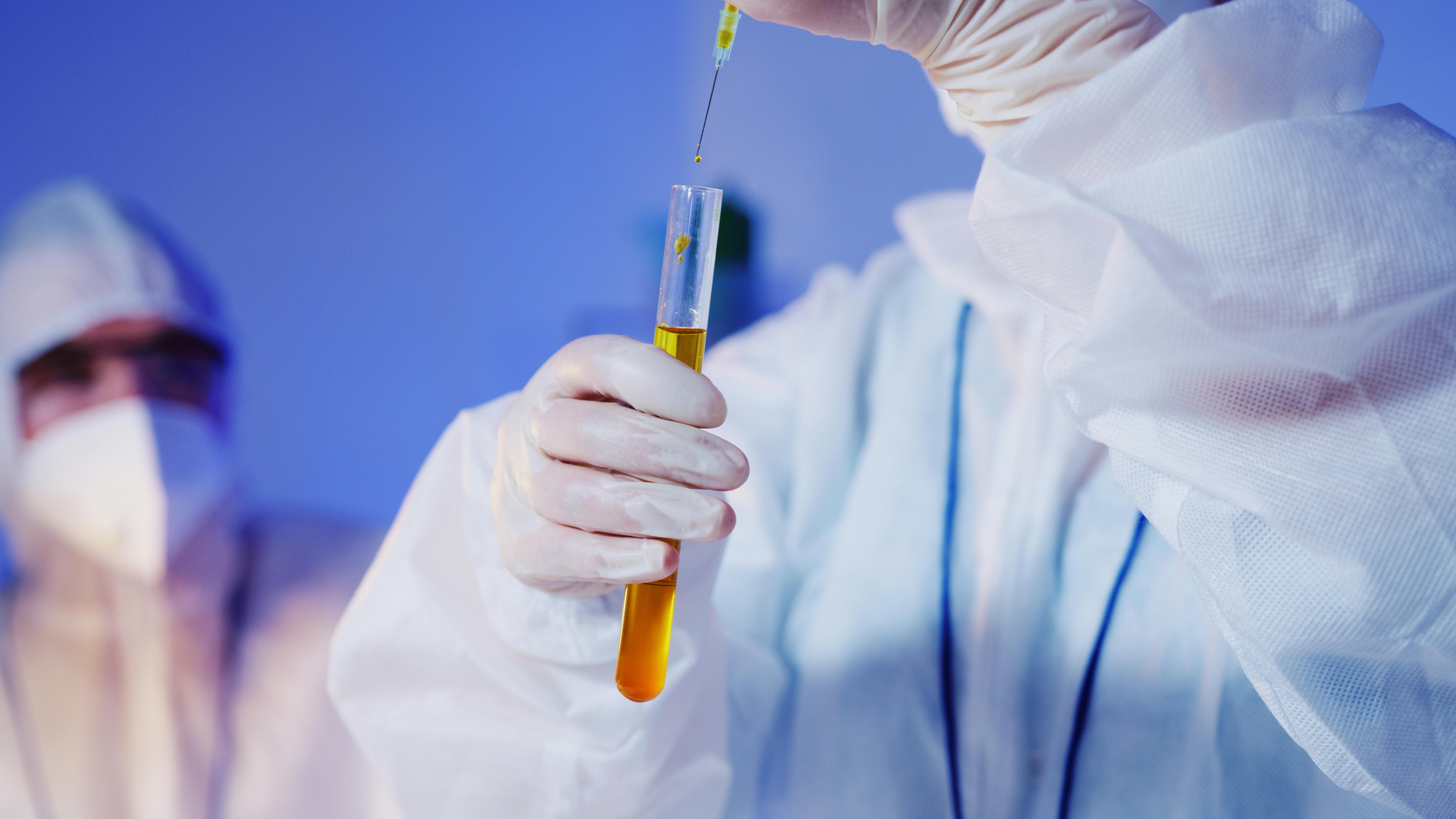
Bacteriological testing is a critical component of quality assurance across various industries, including food production, healthcare, and water treatment. These services are essential for ensuring that products and processes meet safety standards and regulations. By identifying and quantifying bacterial contamination, organizations can take appropriate measures to mitigate risks and ensure public safety. This article explores the significance of bacteriological testing services, the methodologies involved, and their applications across different sectors.
The Importance of Bacteriological Testing
Bacteriological testing plays a pivotal role in maintaining the safety and quality of products. It helps in:
- Identifying harmful bacteria that could cause foodborne illnesses or infections.
- Ensuring that water supplies are safe for consumption and use.
- Maintaining hygienic conditions in healthcare settings to prevent hospital-acquired infections.
- Complying with regulatory standards and industry guidelines.
Read more about this topic to gain a deeper understanding of its critical role in quality assurance: Read more about this topic.
Methodologies in Bacteriological Testing
Cultural Methods
Cultural methods involve growing bacteria on nutrient media under controlled conditions. This traditional method is effective for identifying and quantifying viable bacteria. It provides detailed information about the types of bacteria present and their concentrations. However, it may be time-consuming as it requires incubation periods.
Learn more in this detailed guide on how cultural methods are applied in different industries: Learn more in this detailed guide.
Molecular Methods
Molecular methods, such as Polymerase Chain Reaction (PCR), offer faster and more specific detection of bacteria. These techniques amplify the DNA of bacteria, allowing for the identification of specific strains. Molecular methods are invaluable for detecting bacteria that are difficult to culture or require rapid results.
Automated Systems
Automated systems for bacteriological testing increase efficiency and consistency. These systems integrate sophisticated technology to perform high-throughput testing, reducing manual labor and minimizing human error. They are particularly useful in large-scale operations where speed and accuracy are paramount.
Explore further insights here on how automated systems are revolutionizing bacteriological testing: Explore further insights here.
Applications of Bacteriological Testing Services
Food Industry
The food industry relies heavily on bacteriological testing to ensure that products are free from pathogens like Salmonella, E. coli, and Listeria. Regular testing helps prevent foodborne outbreaks and ensures compliance with food safety standards. It is a crucial step in the production and processing of meats, dairy products, and ready-to-eat meals.
Healthcare Sector
In healthcare, bacteriological testing is essential for infection control. It aids in monitoring the cleanliness of environments, equipment, and surgical instruments. Testing for antibiotic-resistant bacteria is also critical in managing and preventing the spread of infections in hospitals and clinics.
Find additional information here on the significance of bacteriological testing in healthcare: Find additional information here.
Water Treatment Facilities
Water treatment facilities utilize bacteriological testing to ensure that water supplies are free from harmful microorganisms. Regular monitoring helps in assessing the effectiveness of treatment processes and maintaining water quality standards for public safety.
Conclusion
Bacteriological testing services are indispensable for ensuring safety and compliance across various industries. By employing diverse methodologies, from traditional culture techniques to advanced molecular and automated systems, these services provide comprehensive insights into microbial contamination. As industries continue to evolve, the demand for efficient and accurate bacteriological testing will only increase, underscoring its importance in safeguarding public health and maintaining product quality.
For more comprehensive insights and detailed methodologies, explore further resources available at this link.
